What Determines Jadeite Price? 8 Factors Explained
Updated
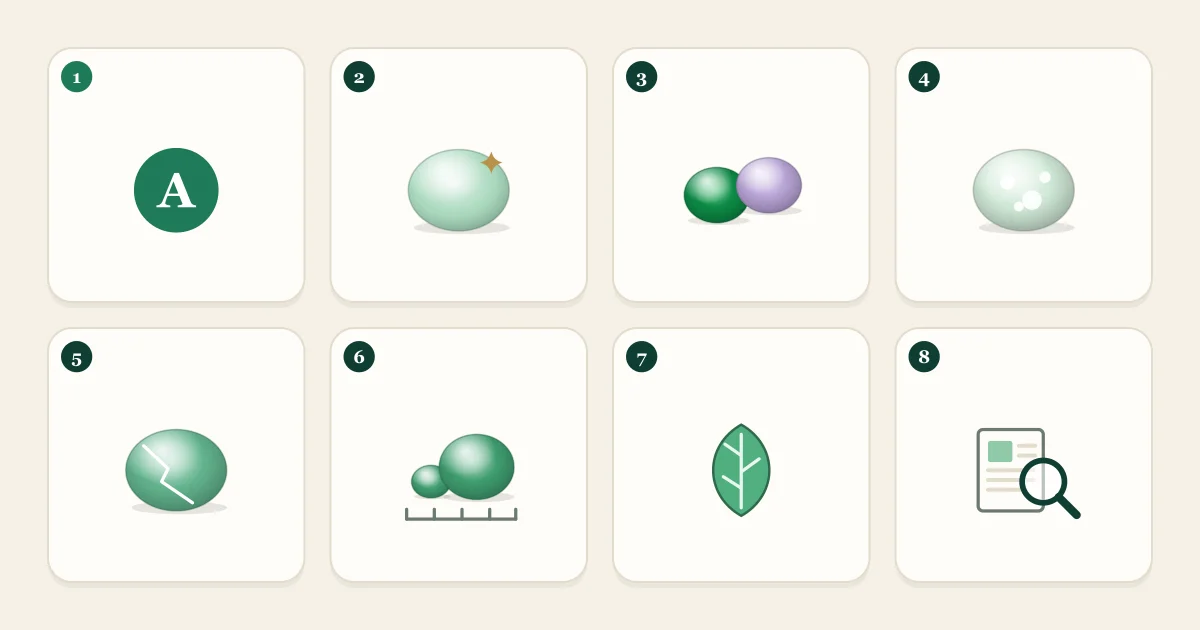
Jadeite has no fixed price list. Its price is set by the piece itself: whether it is natural (Type A), its texture and translucency, its color, how clean it is, whether it has cracks, its size and thickness, and how well it is cut or carved. A certificate does not set the price, but a piece without one is hard to value. Two pieces that look similar in photos can differ many times in price, so compare like with like and judge the actual stone.
Why is there no standard price for jadeite?
Diamonds have a widely used grading system that links cut, color and clarity to price lists. Jadeite does not. Every piece is cut from a different part of a different boulder, and the factors that matter are judged by eye. Two bangles that look alike in photos can differ many times in price.
That is why it helps to know what traders look at. The factors below are listed roughly in the order a buyer should check them.
1. Is it natural (Type A) or treated?
This comes first because it outweighs everything else. Bleached and polymer-filled (Type B) or dyed (Type C) jadeite can look cleaner and brighter than natural jadeite, but it is worth only a small fraction of a natural piece and does not hold value. A good-looking piece at a surprisingly low price is the most common sign of treatment. See Type A vs Type B vs Type C jadeite and how to spot treated jadeite.
2. How fine is the texture, and how translucent?
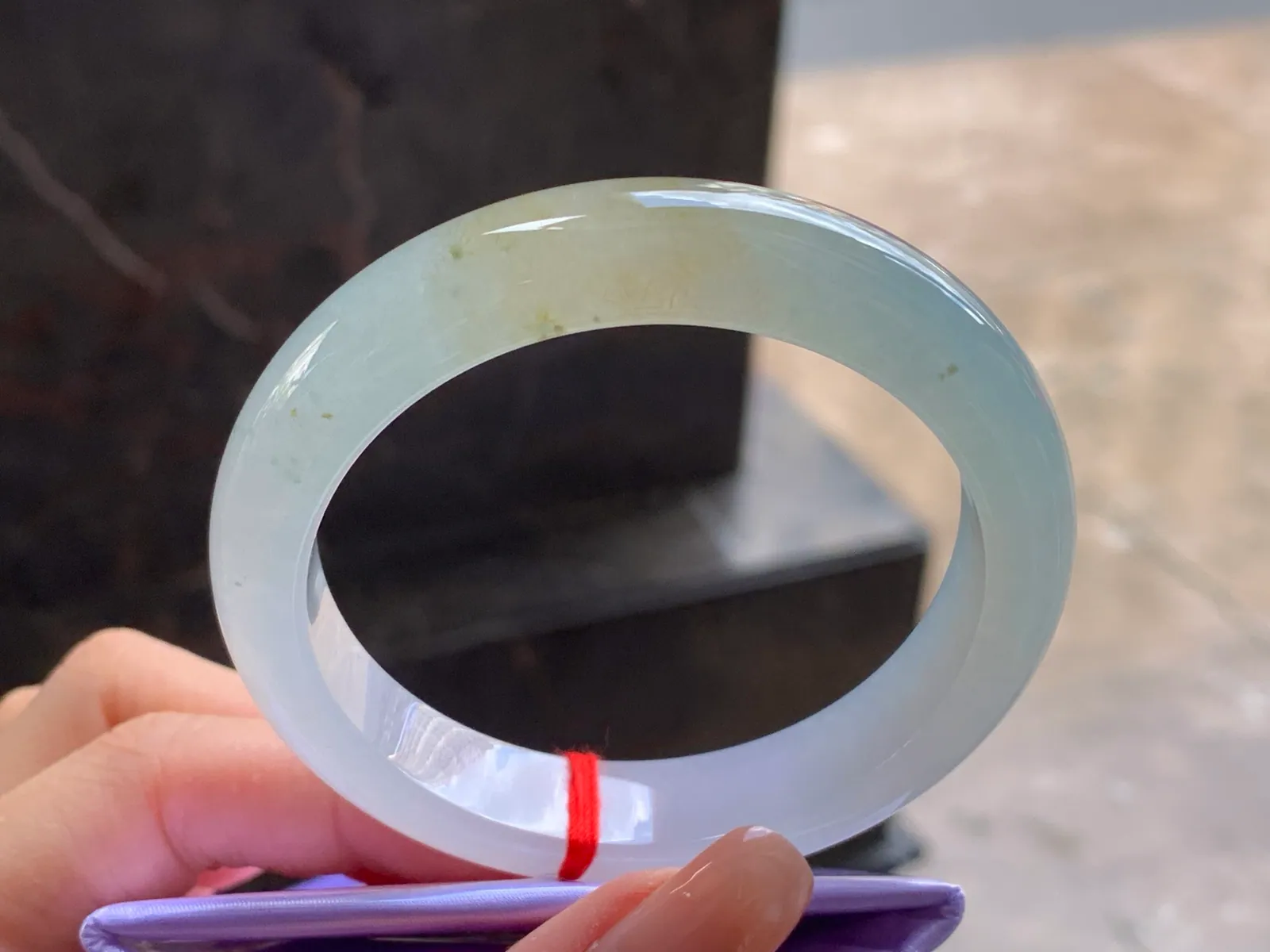
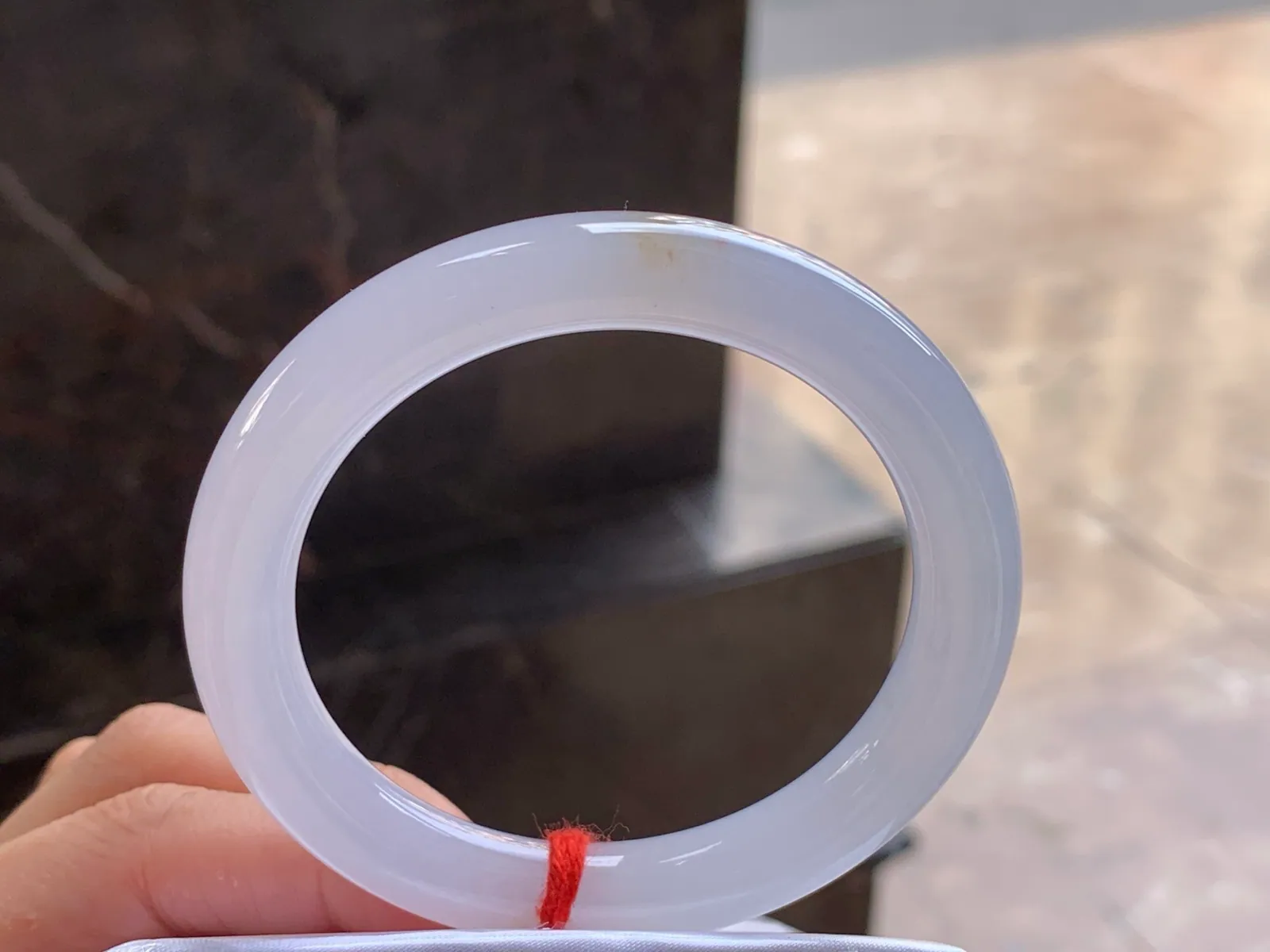
Texture (种, zhong) and translucency (水, shui) are often what separates an ordinary piece from a valuable one. Fine, tight material that glows with light, such as icy (冰种) or glassy (玻璃种) jadeite, is priced far above coarse, opaque bean (豆种) material, even with no color at all. A colorless glassy piece can cost more than a green piece in coarse material. See zhong, shui and se explained.
3. What color, and how much of it?
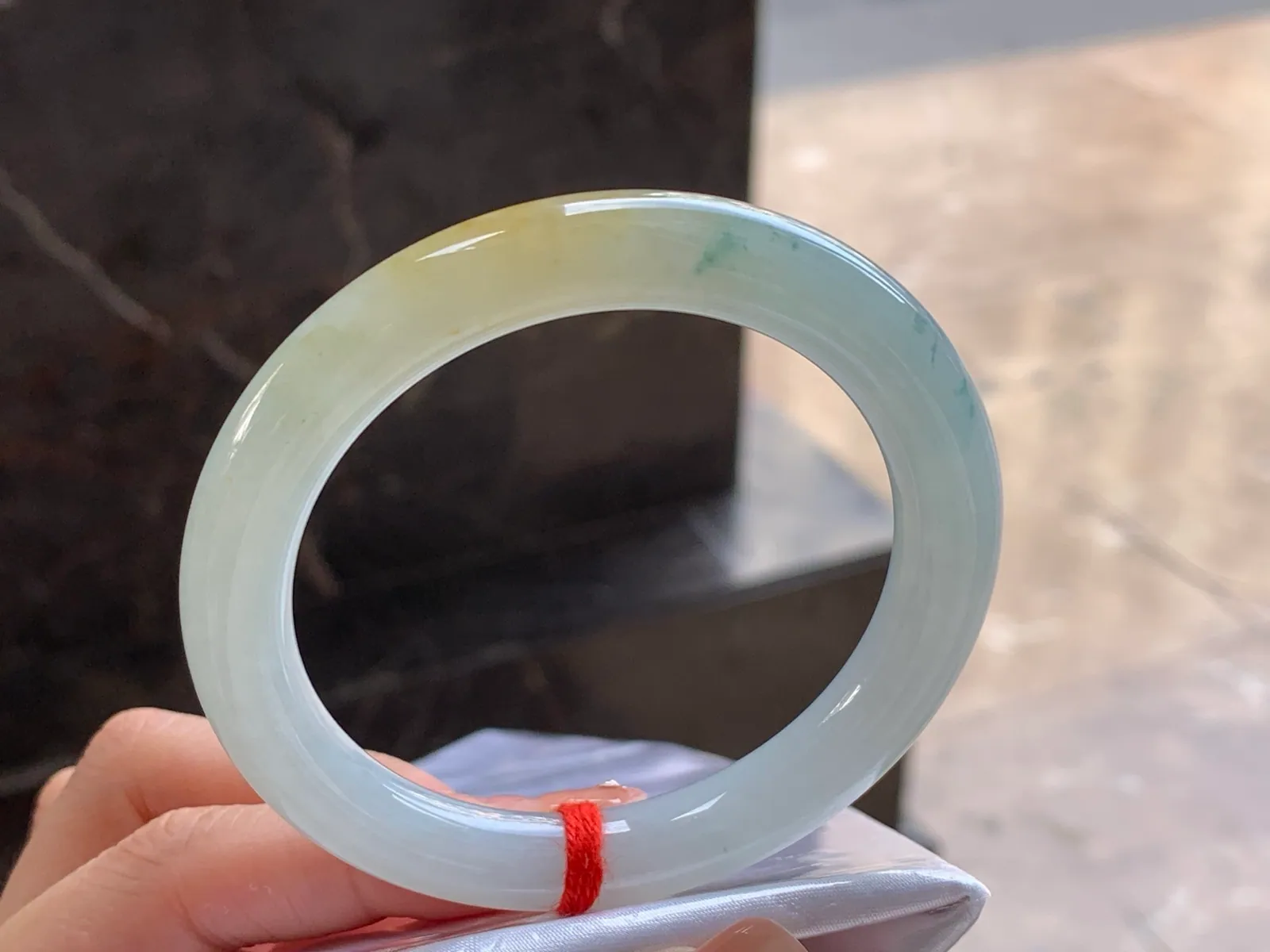
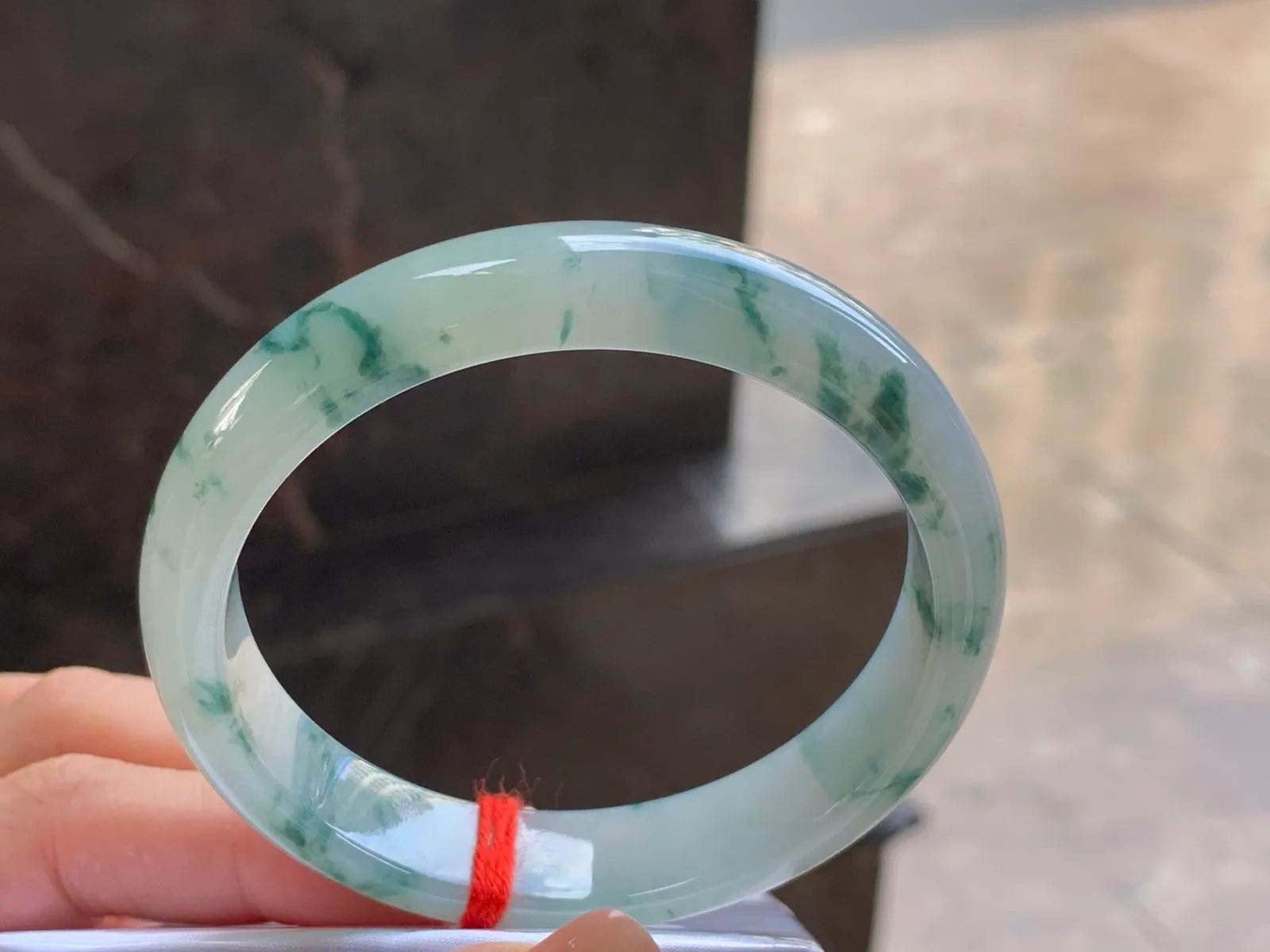
Color is judged on hue, saturation, brightness and evenness. Intense, pure, even green is the most valued, followed by strong lavender and bright red. How much of the piece carries color also matters: a bangle green all the way around is rarer than one with a single green patch. See the jadeite colors guide.
4. How clean is it?
Natural jadeite often has small inclusions:
- Cotton (棉) — white flecks or cloudy patches.
- Black spots or patches (黑点 / 癣) — dark mineral inclusions.
A little is normal and accepted. The cleaner the stone, especially in the main face of a pendant or the visible part of a bangle, the higher the price.
5. Does it have cracks?
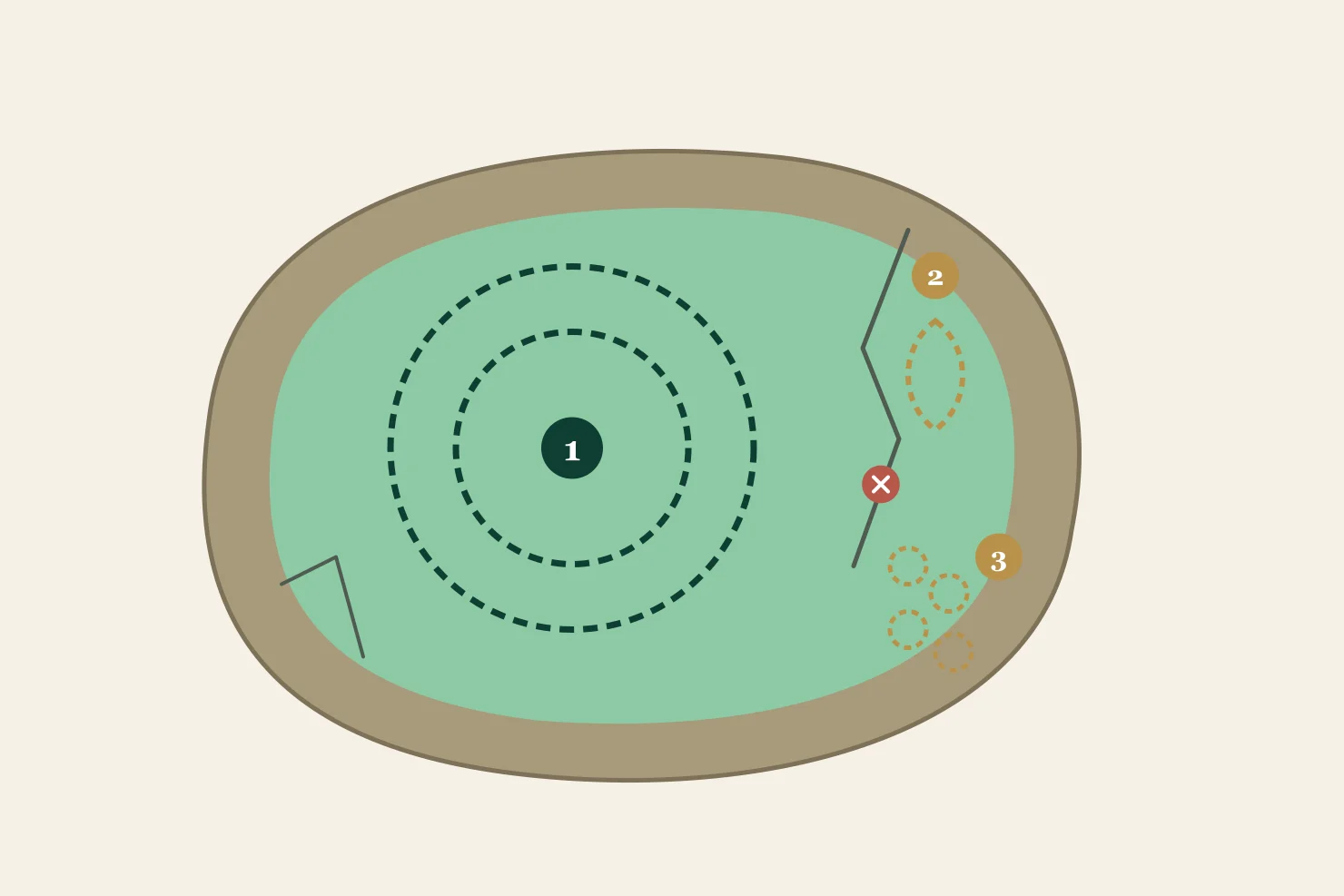
Cracks (裂) lower the price more sharply than most other flaws, because they weaken the piece and can grow. They matter most in bangles, which take knocks when worn. Natural growth lines (纹) are different: they are part of the stone's structure and usually do not weaken it, but they still affect the look. Ask the seller to show the piece under light from several angles.
6. How big and how thick is it?
Fine material is rare, and fine material in large, clean, crack-free pieces is rarer still. That is why size and thickness affect price so much:
- A full bangle needs a large, clean, crack-free area of rough. Pendants, rings and beads can be cut from smaller areas, including the parts around a crack.
- A thick bangle or pendant uses more material than a thin one of the same outline.
- Matched sets, such as a bead necklace with even color and texture, need many similar pieces from the same rough.
For bangle sizes and how they affect choice, see how to choose a jadeite bangle size.
7. How well is it cut or carved?
Good proportions, an even polish and a well-designed carving add value. Plain, uncarved pieces such as round bangles and smooth cabochons show every flaw, so they need the cleanest material. Carving is often used on material with lines or inclusions: traders say 无绺不雕, "no flaw, no carving." A detailed carving is not a sign of top material, and the skill of the carver matters as much as the subject.
8. Does it have a reliable certificate?
A certificate does not set the price. It confirms what the stone is and whether it has been treated, and it usually does not grade quality or state a value. But a piece without a verifiable certificate is hard to price or resell, and buyers usually discount it. See how to verify a jadeite certificate.
Does where you buy affect the price?
Yes. Jadeite passes through several hands between the mine and the buyer, and each step adds a margin. Prices also vary with how the piece is sold: shop, auction, live stream or direct from a trader. Be careful with "market value" or "appraised value" figures shown by a seller; there is no official price list behind them.
How can I compare jadeite prices fairly?
| Compare | Why |
|---|---|
| Same type and size | A bangle and a pendant of the same material are priced very differently |
| Same lighting | Warm light and backlighting make jadeite look greener and clearer |
| Measurements and weight | Thickness and size change the amount of material |
| The certificate | Confirms Type A before you compare anything else |
| Cracks and inclusions | Two pieces of the same color can differ a lot in cleanliness |
If one piece is much cheaper than others that look the same, ask why before you buy.
On JadeiteHub, listings use the seller's own photos, and some include video. Every sold piece is checked against its certificate before it ships, with a full refund if it does not match the description. Shipping is insured; import duties are paid by the buyer.
FAQ
Why do two similar-looking jadeite bangles have very different prices?
Photos hide the differences that set price: texture and translucency, how even the color is, small cracks, inclusions and thickness. Treatment is another: a treated bangle can look better than a natural one.
Does a certificate tell me what jadeite is worth?
No. A certificate confirms the material and whether it has been treated. It usually does not grade quality or give a value.
Is colorless jadeite cheap?
Not necessarily. Colorless jadeite in fine, glassy material can cost more than green jadeite in coarse, opaque material.
Why are jadeite bangles more expensive than pendants?
A bangle has to be cut from a large, clean, crack-free area of rough. Pendants and beads can be cut from smaller areas, so the same material costs more as a bangle.
Do jadeite prices on JadeiteHub include import duties?
No. Shipping is insured, but import duties and taxes in your country are paid by the buyer.