Jadeite Colors Guide: Imperial Green, Lavender and More
Updated
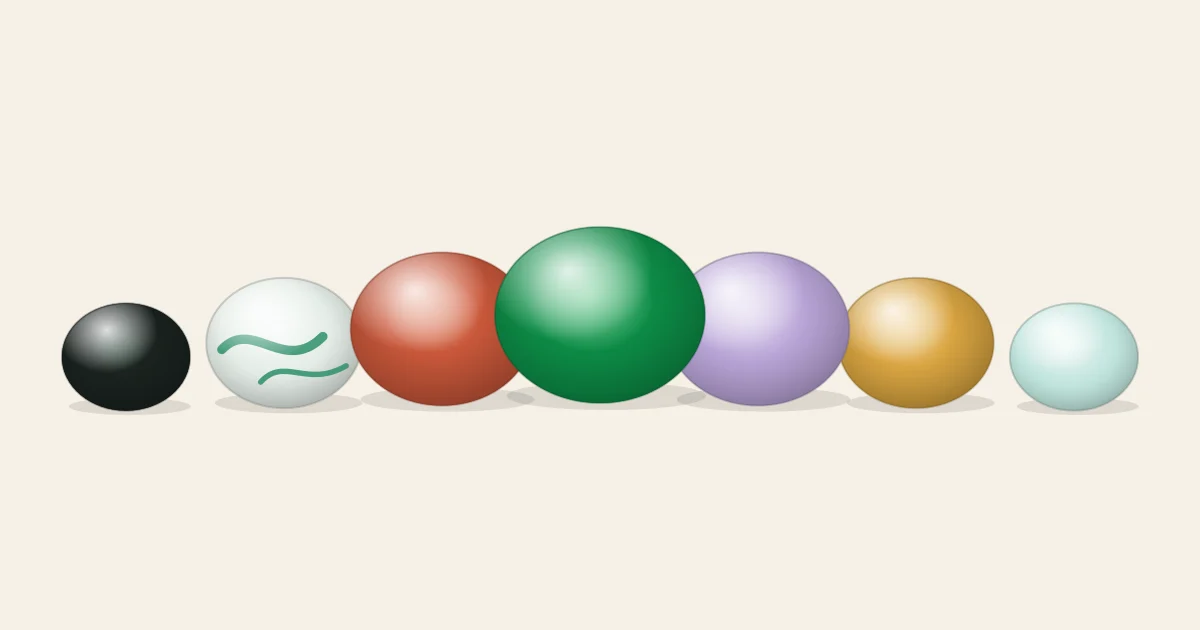
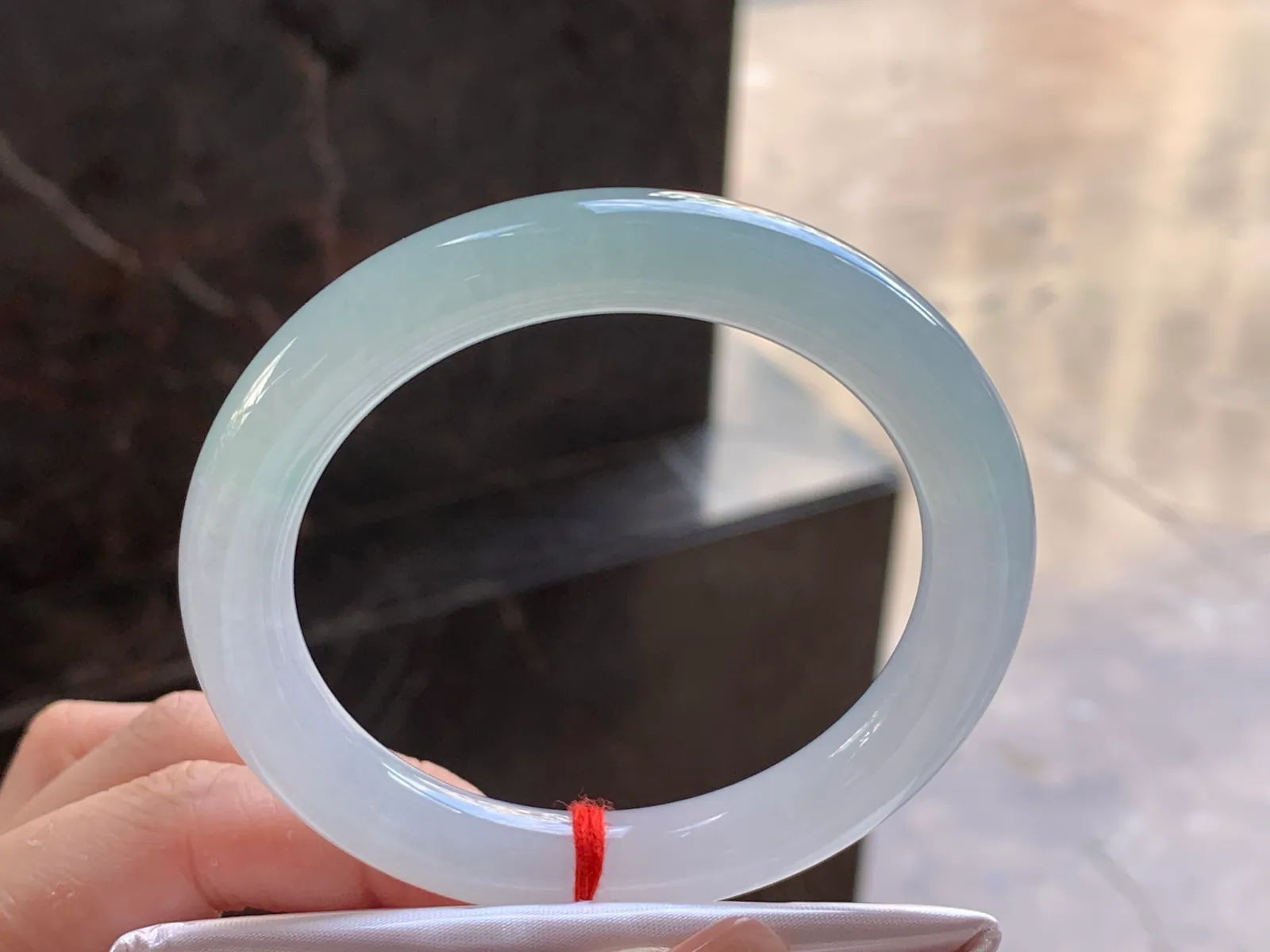
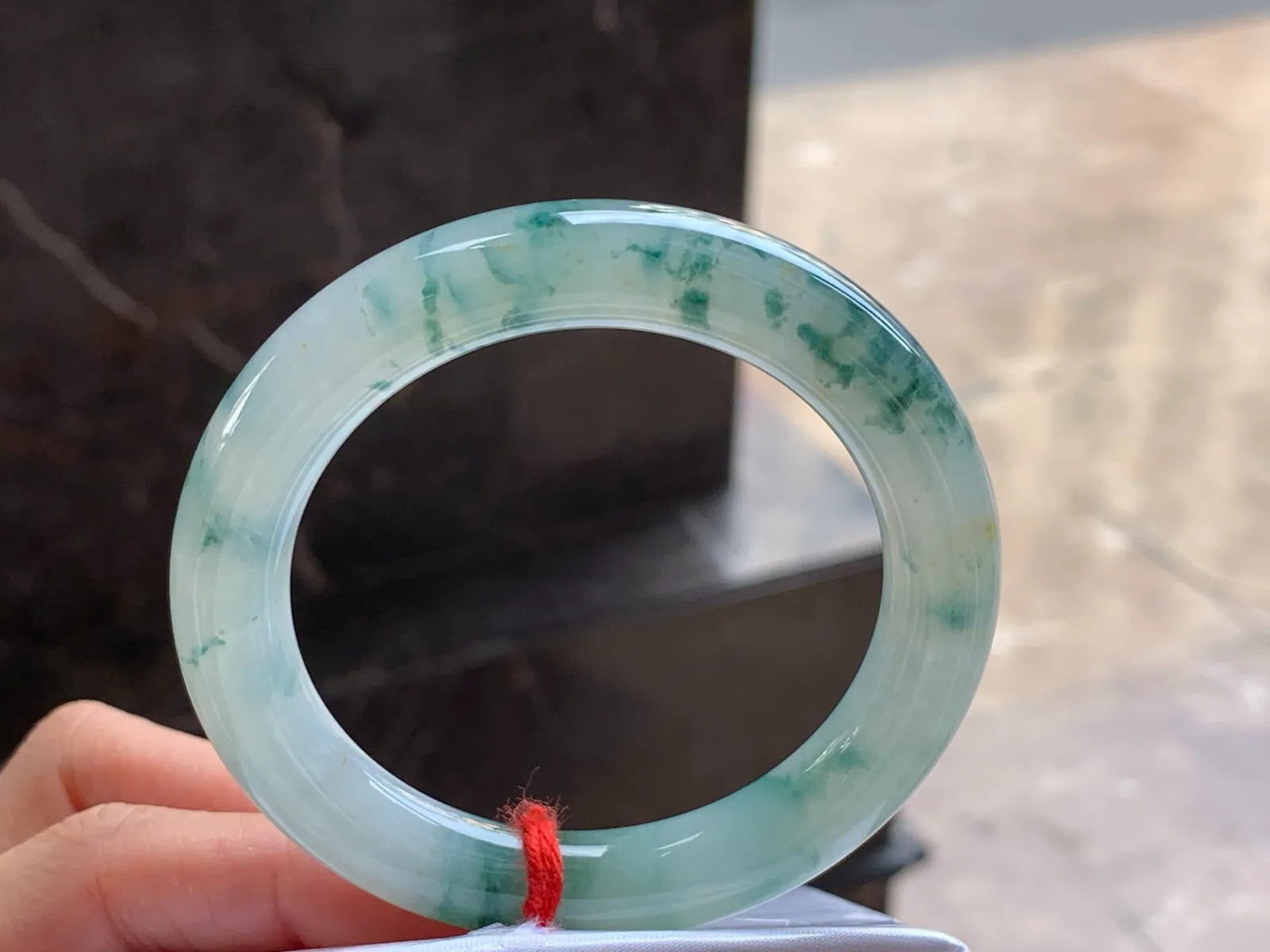
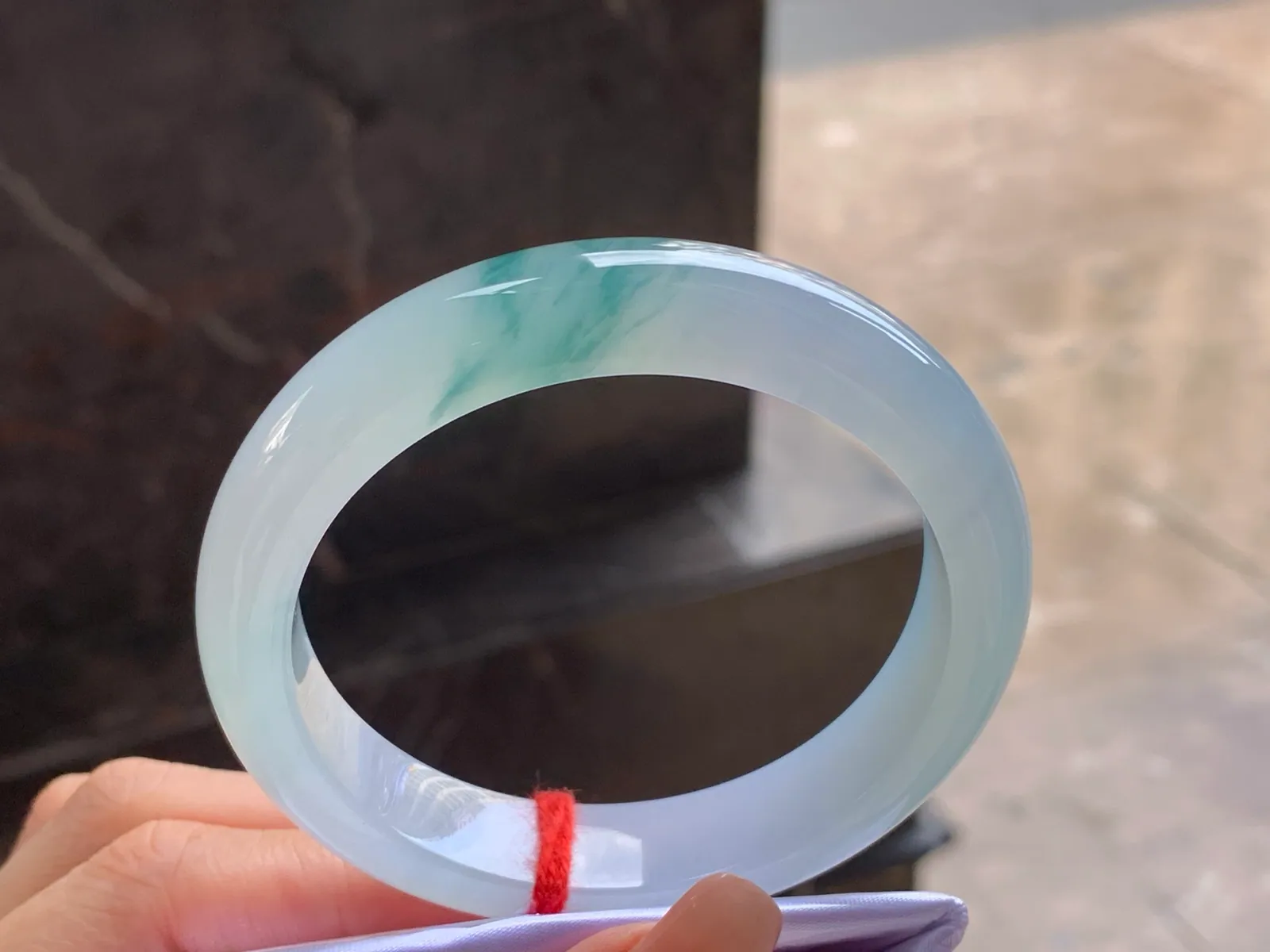
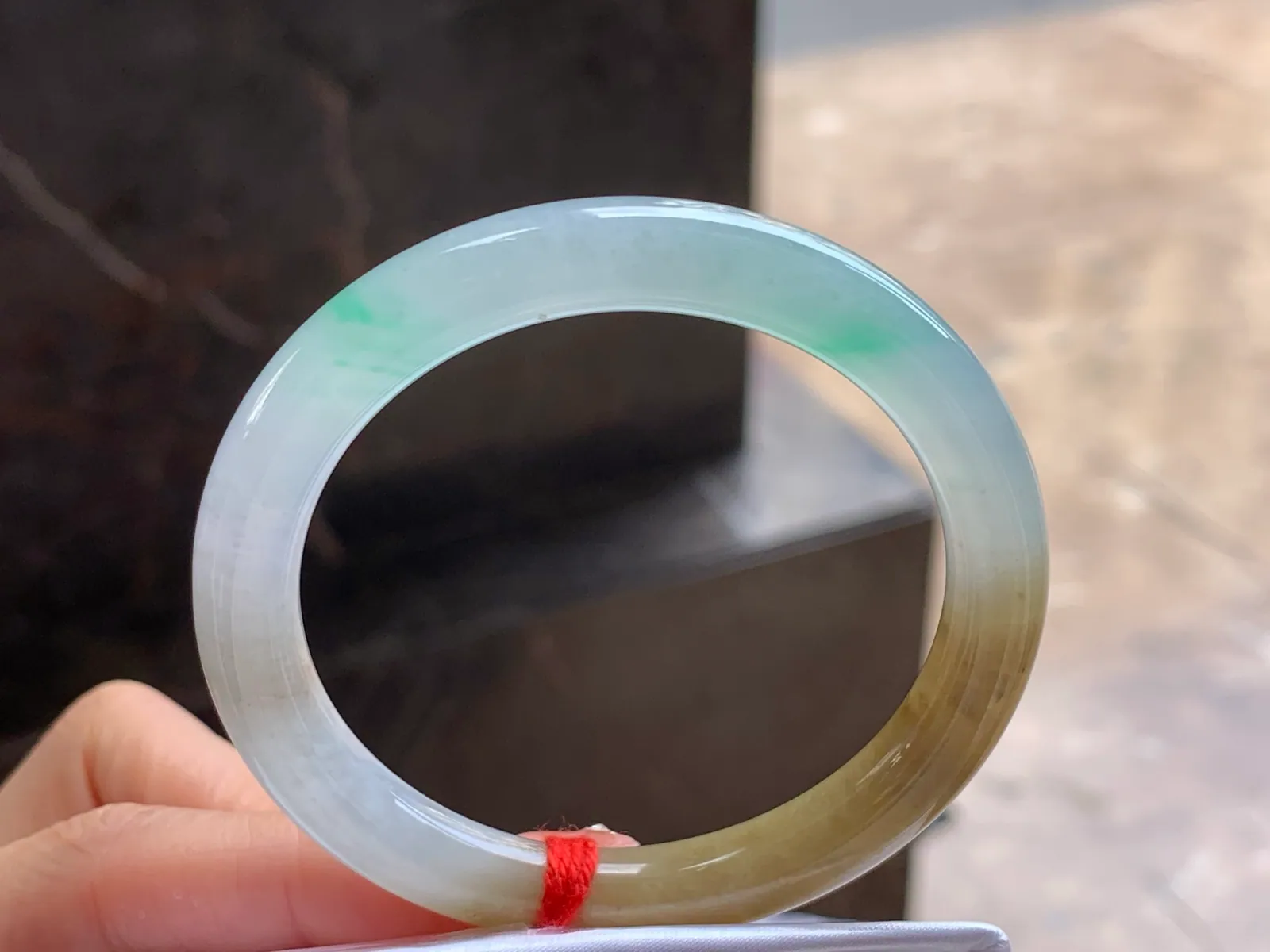
Jadeite is best known in green, but it also comes in lavender, red, yellow, white, blue-green and black, and some pieces show two or three colors. Green is judged on four points: hue, saturation, brightness and evenness. Imperial green is the rare intense, pure, even green in fine translucent material. Color should always be judged under neutral light, and only natural color counts: dyed (Type C) jadeite is worth far less.
What colors does jadeite come in?
Jadeite is naturally white or colorless. Color comes from small amounts of other elements in the stone, which is why one boulder can show several colors. The main color families are:
| Color | Chinese | What it looks like | What causes it |
|---|---|---|---|
| Green | 绿 | From pale mint to intense emerald green | Mainly chromium |
| Lavender | 紫罗兰 / 春 | Light pink-purple to blue-purple | Still debated; trace manganese and iron are the usual explanations |
| Red | 红翡 | Orange-red to brownish red | Iron oxides, often near the outer skin of the boulder |
| Yellow | 黄翡 | Honey yellow to brownish yellow | Iron oxides, like red |
| White / colorless | 白翠 / 无色 | No visible color | Pure jadeite |
| Black | 墨翠 | Looks black; dark green when light shines through | Iron-rich dark green material |
In Chinese, 翠 (cui) originally meant green jadeite and 翡 (fei) the red and yellow kinds, which is where the name 翡翠 (feicui) comes from.
What is imperial green jadeite?
Imperial green (帝王绿) is the trade name for the most prized color: an intense, pure green with no yellow or gray tint, spread evenly through fine, translucent material. It is rare, and the name is used loosely. Some sellers call any strong green "imperial", so look at the stone rather than the label.
Imperial green is about color and material together. The same green in coarse, opaque jadeite does not count as imperial. For how texture and translucency are judged, see zhong, shui and se explained.
How is green jadeite judged?
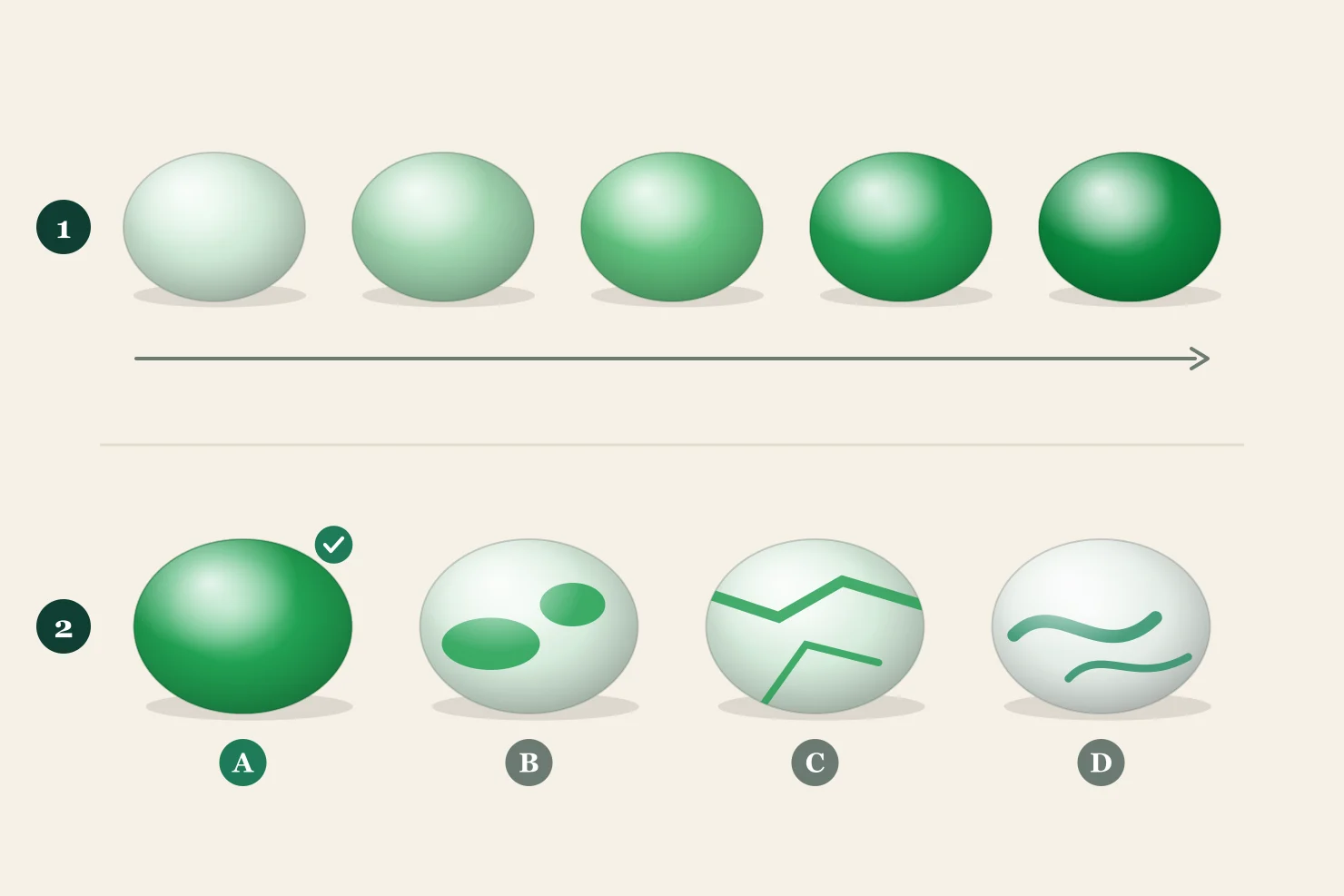
Chinese traders sum it up in four words: 浓 (strong), 阳 (bright), 正 (pure), 匀 (even).
| Point | Chinese | What to check |
|---|---|---|
| Saturation | 浓 | How strong the color is, from pale to deep. Very dark green can look blackish and lose value |
| Brightness | 阳 | Whether the green looks lively or dull |
| Hue | 正 | Pure green, or tinted toward yellow, blue or gray |
| Evenness | 匀 | Spread across the whole piece, or in patches and veins |
Common names for greens you will see in listings:
- Bright green (阳绿) — vivid, lively green, just below imperial.
- Apple green (苹果绿) — bright green with a slight yellow tint.
- Oily green (油青) — dark grayish or bluish green with an oily luster; usually priced well below bright green.
- Floating flowers (飘花) — green or blue-green wisps floating in a light, translucent body.
What are lavender, red and yellow jadeite?
Lavender (紫罗兰) ranges from pale pink-purple to stronger blue-purple. Most lavender is light; strong, even purple in translucent material is uncommon. Lavender can look stronger or paler depending on the light, so judge it in daylight.
Red and yellow jadeite (红翡、黄翡) get their color from iron oxides that seep between the grains, often in the layer just under the boulder's skin. Clear, bright red is the most valued; brownish tones are common and worth less.
What do qingshui, chun dai cai and fu lu shou mean?
Some trade names describe a specific tone or a mix of colors:
| Name | Chinese | Meaning |
|---|---|---|
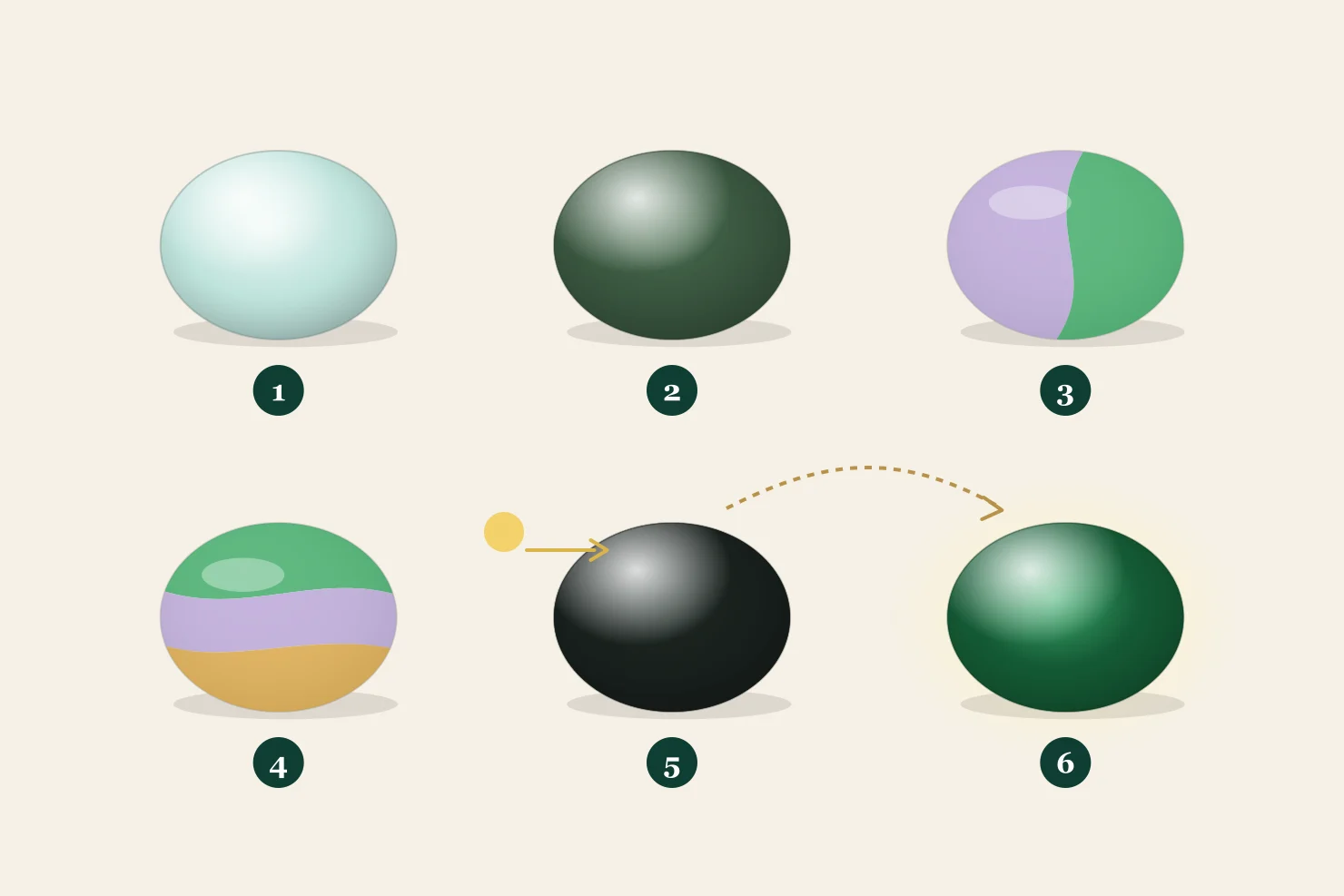
| Qingshui | 晴水 | Light, even blue-green in clear or icy material |
| Spring with color | 春带彩 | Lavender and green in the same piece |
| Fu lu shou | 福禄寿 | Three colors, usually green, lavender and red or yellow; named after three symbols of good fortune |
| Black jadeite | 墨翠 | Looks black in normal light, glows dark green when lit from behind |
Black jadeite is often confused with other black stones. A quick seller check is to hold a strong light behind a thin edge: black jadeite turns green. That is only a clue; the certificate is what confirms the material.
Can jadeite color be fake?
Yes. Dyed jadeite is called Type C. The dye can make pale or white material look bright green or lavender, and it can fade over time. Under magnification, dye often collects in cracks and between grains, but the reliable answer comes from a lab: a certificate for natural jadeite will not mention dye or treatment. See Type A vs Type B vs Type C jadeite and how to spot treated jadeite.
Warning signs that color may not be natural:
- Very bright, even color at a price far below similar pieces.
- Color that looks concentrated in fine lines or along cracks.
- A seller who will not provide a certificate before payment.
How can I check jadeite color when buying online?
- Look at photos and video taken in daylight or neutral white light, not under warm shop lamps.
- Be careful with strong backlighting: it makes almost any jadeite look greener and more translucent.
- Ask how the color is spread: the whole piece, or one side or one spot?
- Check that the certificate describes the color and confirms natural, untreated jadeite. See how to verify a jadeite certificate.
Color is one of several things that set the price. For the full list, see what determines jadeite price.
On JadeiteHub, listings use the seller's own photos, and some include video. Every sold piece is checked against its certificate before it ships, and if it does not match the description you get a full refund.
FAQ
What is the most valuable jadeite color?
Imperial green: an intense, pure, even green in fine translucent material. Strong, even lavender and clear bright red are also highly valued, but color is always judged together with texture and translucency.
Is lavender jadeite valuable?
It can be. Most lavender is pale; strong, even purple in fine translucent material is uncommon and valued accordingly. Judge it in daylight, because lavender can look stronger or paler under different lights.
Is black jadeite real jadeite?
Black jadeite (墨翠) is a very dark green jadeite-type material that looks black in normal light and shows green when lit from behind. Confirm the material on the certificate, since other black stones look similar.
Does jadeite color fade?
Natural jadeite color is stable. Dyed (Type C) color can fade with light and time, which is one reason natural color matters.
Does a certificate grade jadeite color?
Most certificates describe the color in words, such as green or purple, and state whether the stone is natural or treated. They usually do not give a color grade such as imperial.