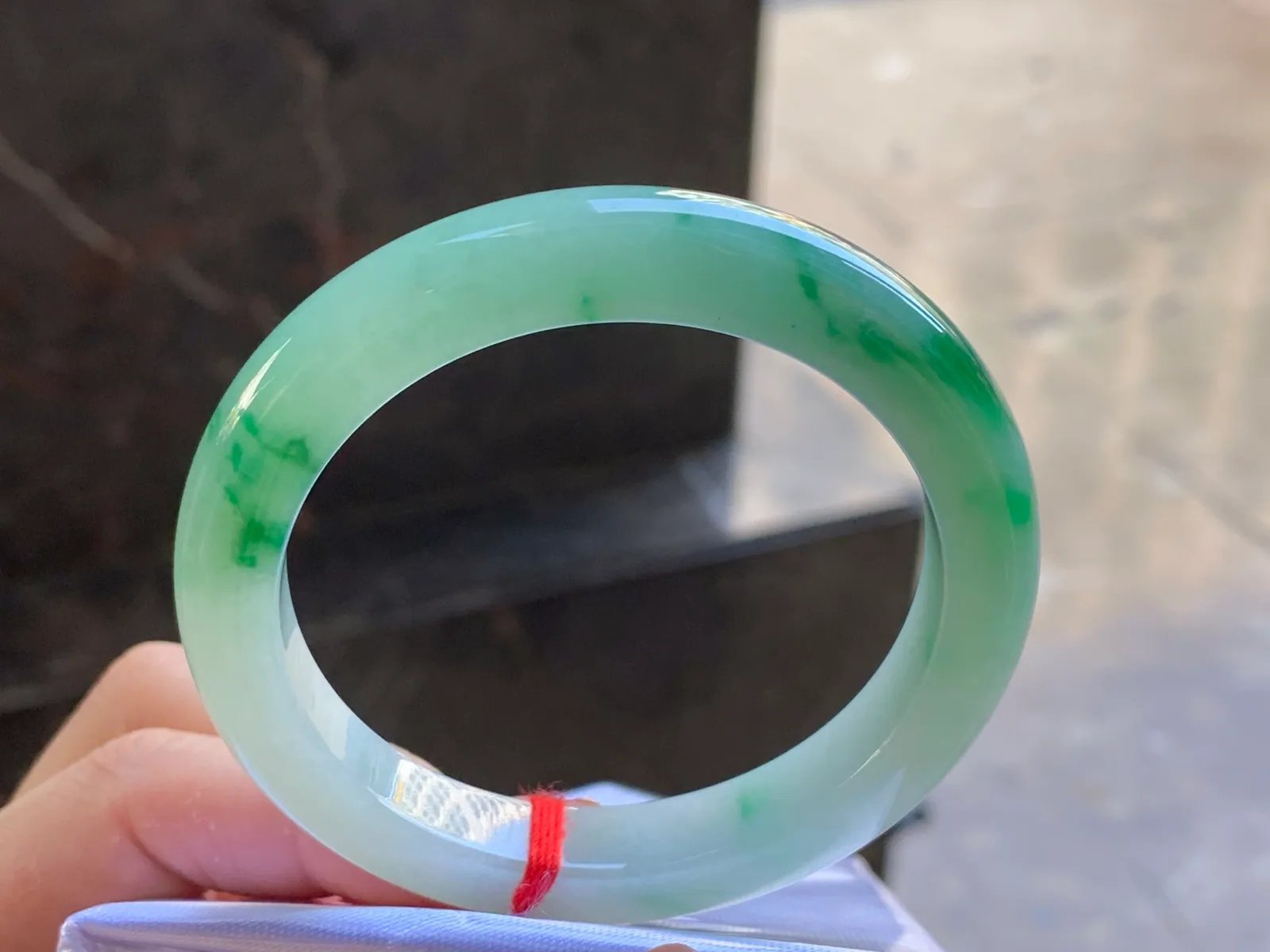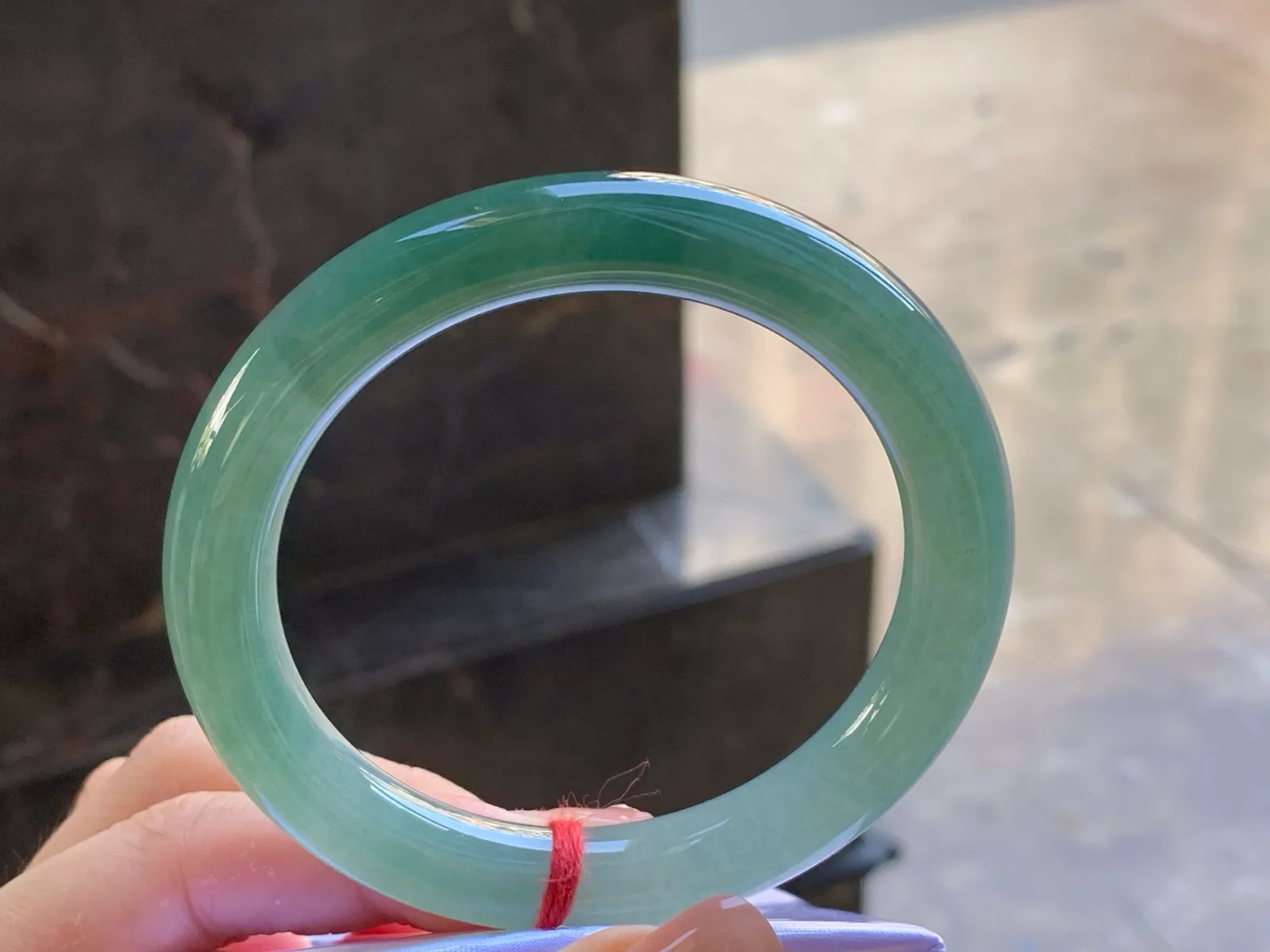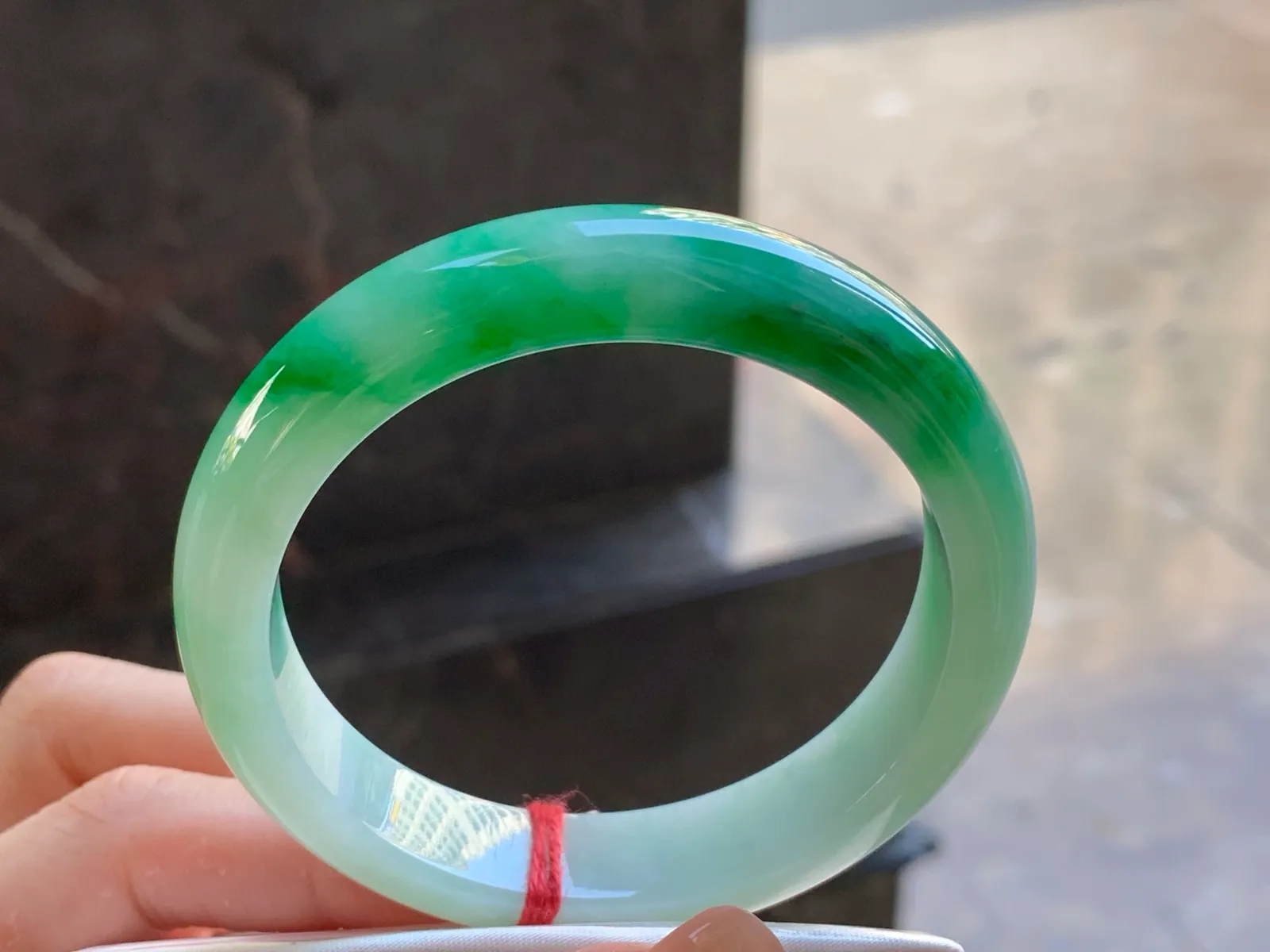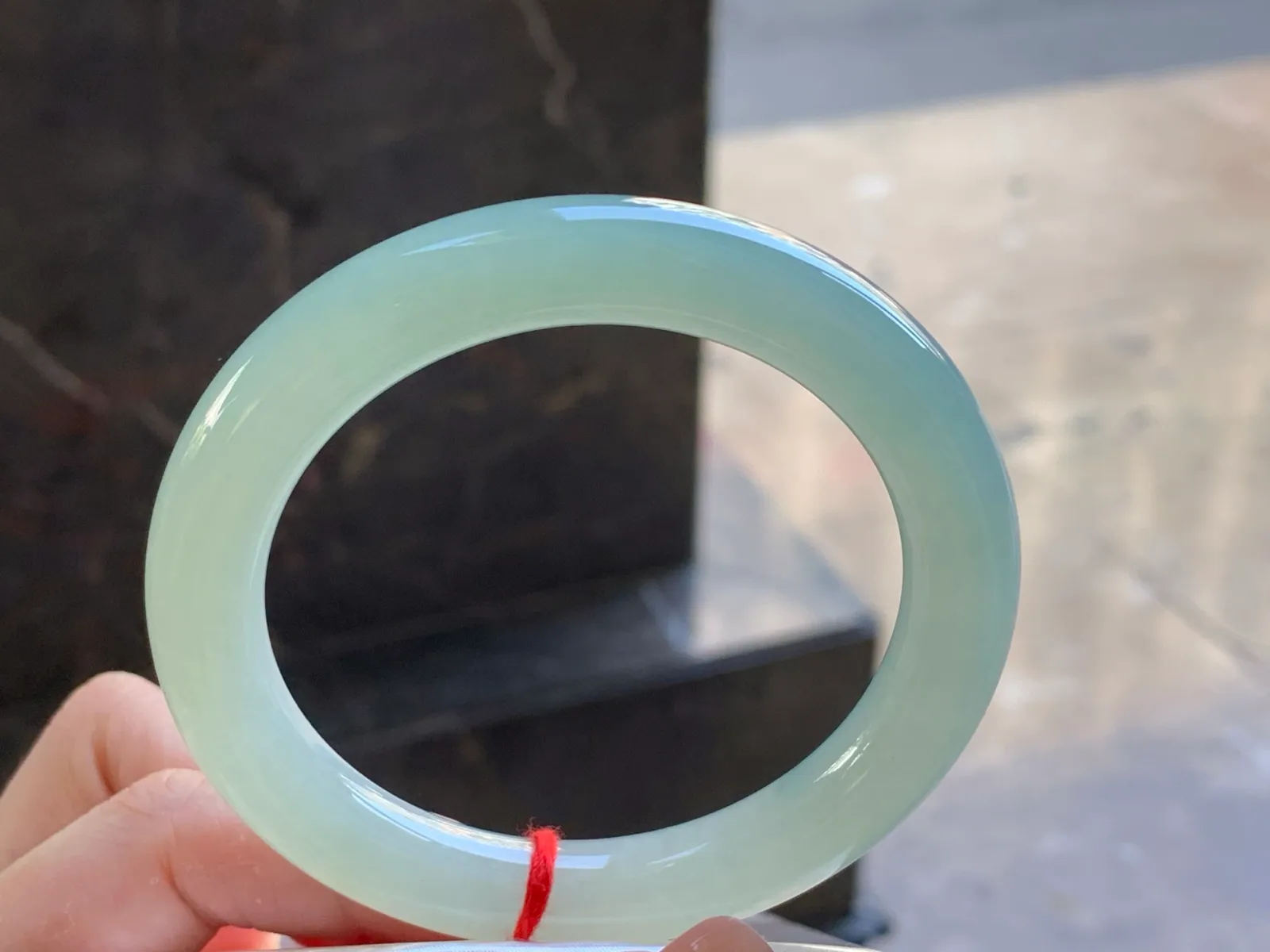
Where Does Jadeite Come From? Myanmar and Other Sources
Updated
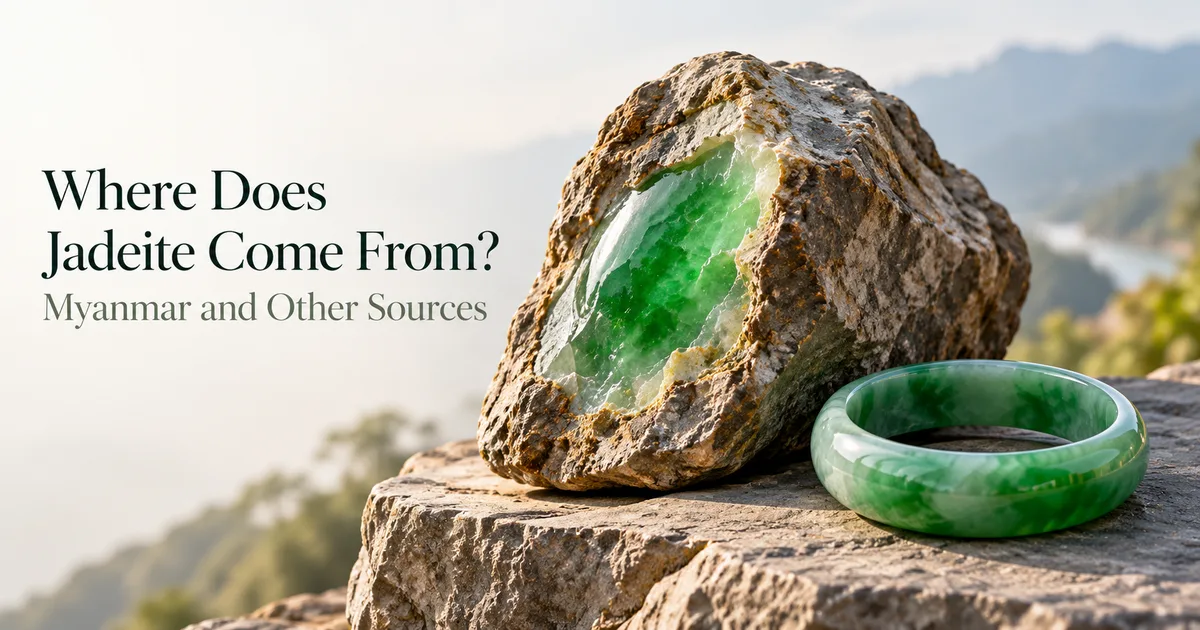
Almost all gem-quality jadeite comes from northern Myanmar, around Hpakant in Kachin State. Smaller deposits exist in Guatemala, Russia, Japan, Kazakhstan and California, but they supply far less and rarely the fine translucent green. Rough is usually sold in Myanmar, then cut and carved in China, mainly in Yunnan and Guangdong. Origin terms like "old pit" are trade language, and standard certificates do not state origin.
Where does most jadeite come from?
Most gem-quality jadeite comes from one area: the Hpakant region of Kachin State in northern Myanmar (Burma). The mines lie in the hills and river valleys around Hpakant, along the Uru River. This area has supplied fine jadeite for a long time, and trade with China grew strongly from the 18th century onward.
Myanmar jadeite covers the whole range of the material: white, pale green and the vivid, translucent green the trade calls imperial green, as well as lavender, yellow, red and near-black. Because almost all jewelry jadeite comes from there, "Burmese jade" and "jadeite" are used almost as synonyms. In Thai, jadeite is simply called หยกพม่า, which literally means Burmese jade.
Jadeite is a different mineral from nephrite, the jade of Hetian in Xinjiang and many other places. Both are sold as jade, but they come from different deposits. See jadeite vs nephrite.
How does jadeite form, and why Myanmar?
Jadeite forms deep underground under unusual conditions: high pressure but relatively low temperature. Geologists link this mainly to subduction zones, where one plate of the Earth's crust is pushed down under another. Later movements along large faults can bring the rock back up to the surface, where it weathers out as blocks and boulders.
Few places on Earth have this combination, which is why jadeite deposits are rare. Northern Myanmar happens to have an unusually large and varied one. That, not any single secret, is why Myanmar dominates the trade.
Where else is jadeite found?
Besides Myanmar, the best-known sources are:
| Source | Commercial importance | Typical notes |
|---|---|---|
| Myanmar: Hpakant area, Kachin State | The main source of gem-quality jadeite | Full range of colors and textures, including fine translucent green; supplies most jewelry jadeite |
| Guatemala: Motagua River valley | Small, but the main source in the Americas | Worked by the Olmec and Maya; much of it is green to dark green and less translucent; bluish varieties (sometimes called "Olmec blue") also exist |
| Russia: Polar Urals | Minor | Mostly green, often mottled and not very translucent; seen mainly in carvings and ornaments |
| Japan: Itoigawa, Niigata | Very small; mostly cultural and collector interest | Used for ancient beads in Japan; much of it is white with green patches |
| Kazakhstan | Minor | Rarely seen in the jewelry trade |
| California, USA | Small deposits | Mainly specimens and collectors' pieces |
These are general patterns, not rules. Every source produces a range of qualities, and color or translucency alone does not tell you where a stone was mined.
How does Myanmar jadeite compare with Guatemalan jadeite?
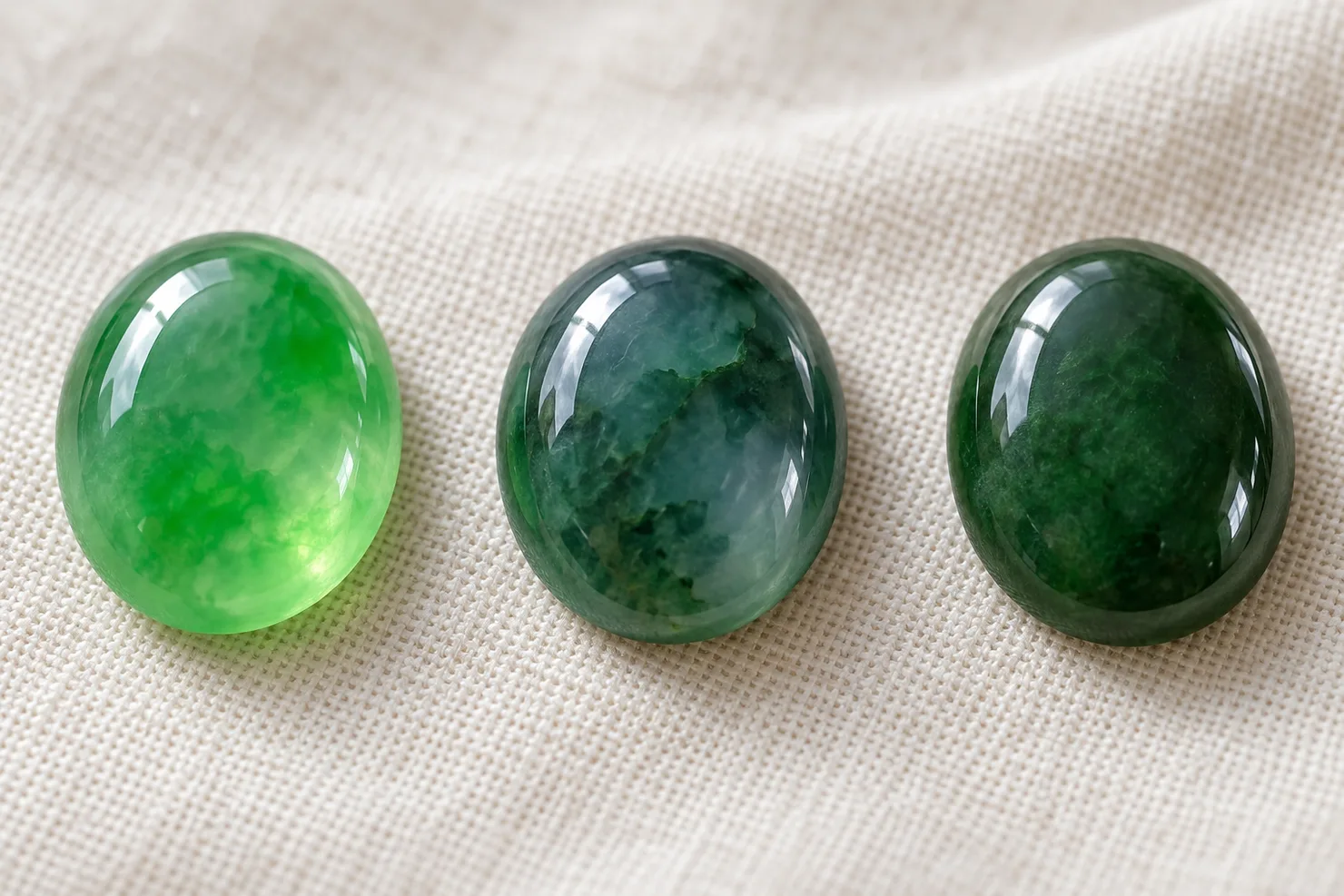
Guatemala is the second source most buyers hear about. Both are the same mineral, and a lab report calls both simply jadeite. The differences are in supply and typical looks:
| Myanmar | Guatemala | |
|---|---|---|
| Supply | Most of the world's gem-quality jadeite | Small |
| Typical colors | Full range: white, green up to vivid imperial green, lavender, yellow, red, near-black | Mostly green to dark green; also known for black or very dark and bluish varieties |
| Translucency | From opaque to highly translucent | Mostly opaque to semi-translucent; fine translucent material is rare |
| Typical uses | Most jewelry jadeite: bangles, pendants, rings | Carvings, beads and jewelry, much of it sold in Guatemala and to collectors |
| History | Large-scale trade to China from the 18th century | Worked in Mesoamerica, by the Olmec and Maya, for thousands of years |
These are tendencies. Dark or bluish jadeite is not automatically Guatemalan, and a seller's origin claim cannot be confirmed by looking at a piece.
How does rough jadeite travel to market?
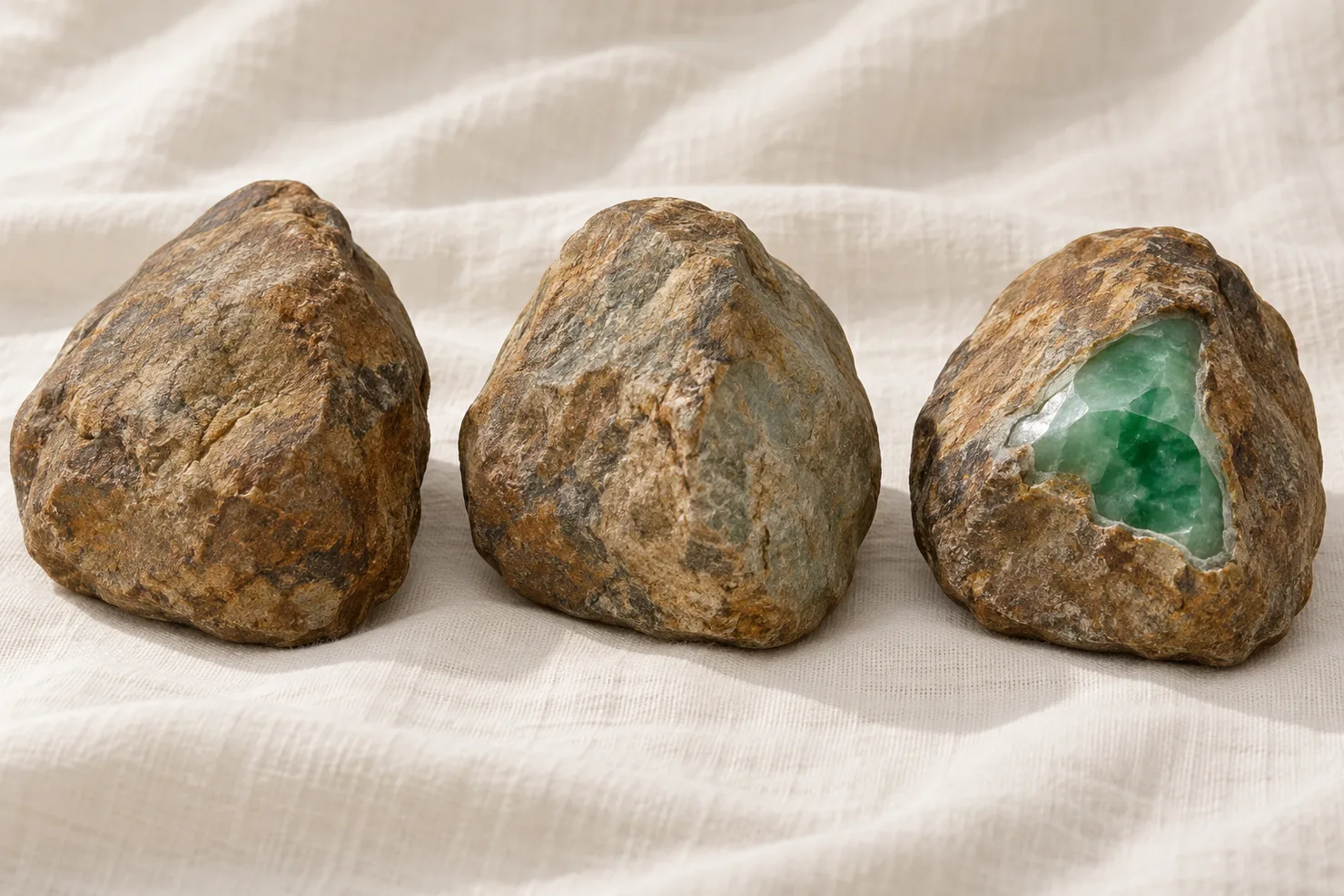
Jadeite is mined as boulders and blocks. Many have a weathered outer skin that hides the inside. To show buyers what is under it, sellers often polish a small "window" through the skin or cut off a slice. A window shows only a small part of the stone, and the inside can turn out better or worse. Buying uncut rough this way is a gamble, which is why the Chinese trade calls it 赌石, "gambling stone".
From the mines, jadeite usually passes through several well-known trading and carving hubs:
- Myanmar. The government has held official gem and jade sales (the Myanma Gems Emporium), where rough is sold to traders. Mandalay also has a well-known jade market for rough and finished pieces.
- Yunnan, China. Ruili, on the Myanmar border, and Tengchong, a historic jade-trading town, are long-established trading hubs.
- Guangdong, China. Pingzhou (in Foshan) is known for rough trading and bangles, Sihui for carving pendants and ornaments, and Jieyang for fine, high-end pieces.
From there, finished jadeite goes to wholesalers and shops across China, Hong Kong, Southeast Asia and online. China is by far the largest market, which is why so much jadeite is bought from Chinese sellers. See how to buy jadeite from China safely.
What do "old pit", "new pit" and 场口 mean?
These terms come from the Chinese jadeite trade and you will often see them in listings.
- 场口 (chang kou) means a mining area or pit within the Myanmar jadeite fields. Traders know dozens of names, such as Muna (木那), Moxisha (莫西沙) and Hougang (后江), and say each has typical skins and interiors.
- Old pit (老坑) traditionally meant rough from older, long-worked deposits, especially boulders weathered in rivers and gravels, which were thought to give denser, finer material. Today "old pit" is mostly used as a quality word: 老坑种 usually means a fine, dense, translucent texture.
- New pit (新坑) traditionally meant rough taken from newer workings in the rock, often with coarser texture. Today it is mostly used to mean coarser, less translucent material.
The honest point: these are trade language, not lab-certified grades. A pit name or "old pit" label on a finished piece generally cannot be proven, and certificates do not confirm it. Judge the piece itself: texture, translucency, color and treatment. See zhong, shui and se explained and what determines jadeite price.
Why don't certificates say where jadeite came from?
Most standard jadeite reports answer two questions: is the material jadeite, and has it been treated (Type A, B or C)? Origin is generally not determined. Jadeite from different deposits can have overlapping properties, and origin testing is not routine for jadeite in the way it is for some colored stones such as ruby or sapphire.
So "Burmese" on a label or in a listing is the seller's description. What a certificate can confirm is the part that matters most for value: that the piece is natural, untreated jadeite. See how to verify a jadeite certificate.
Is jadeite found in Vietnam or Thailand?
Neither country is a known commercial source of jadeite. The jadeite sold in Vietnam and Thailand mostly comes from Myanmar, often after cutting or carving in China.
In Vietnam, jadeite is called cẩm thạch or phỉ thúy. Stones advertised as "Vietnamese cẩm thạch" are usually other materials, such as serpentine or dyed quartzite, and in Vietnamese "đá cẩm thạch" means marble. If a stone is sold as local jade, ask for a certificate that names the material. See jadeite look-alikes.
In Thailand, the everyday name หยกพม่า (Burmese jade) already says where the material comes from.
Are there ethical concerns about jadeite mining?
Yes. Mining in Hpakant has well-documented safety problems. International media have reported deadly landslides at mine sites and waste dumps, and the region has been affected by long-running conflict. There is currently no widely used system that traces a finished jadeite piece back to a specific mine, so buyers who care about this can ask sellers what they know and should treat confident origin stories with some caution.
How should origin affect what you buy?
- Judge the piece, not the label. Texture, translucency, color and craftsmanship decide value far more than a pit name.
- Ask for a certificate that confirms natural, untreated jadeite. Do not expect it to state origin.
- Treat "old pit" and pit names as descriptions, not guarantees, and do not pay a large extra for an origin story that cannot be checked.
- Be careful with "local jade" claims, such as Vietnamese or Guatemalan jade at bargain prices. Check that the material is jadeite at all.
- Buy where a mismatch means a refund.
On JadeiteHub, sellers post real photos of each piece (some with video), every sold piece is checked against its certificate before it ships, and if it does not match the description you get a full refund.
FAQ
Where does the best jadeite come from?
Most fine, gem-quality jadeite comes from the Hpakant area of Kachin State in Myanmar. But origin alone does not make a piece good: each piece is judged on its own texture, translucency and color.
Is Burmese jade the same as jadeite?
In the jewelry trade, usually yes. "Burmese jade" normally means jadeite from Myanmar. Check that the certificate names the material as jadeite.
Is Guatemalan jadeite real jadeite?
Yes. The Motagua valley deposits in Guatemala are jadeite. Much of it looks different from fine Myanmar material, often darker or less translucent, with some bluish varieties, and supply is much smaller.
Can a lab tell where my jadeite was mined?
Generally no. Standard jadeite reports identify the material and any treatment, but origin is usually not determined. An origin name in a listing is the seller's description.
Is there jadeite in Vietnam?
Vietnam is not a known commercial source of jadeite. Jadeite (cẩm thạch) sold there mostly comes from Myanmar, often via China. Stones sold as local jade are usually other materials, so ask for a certificate.