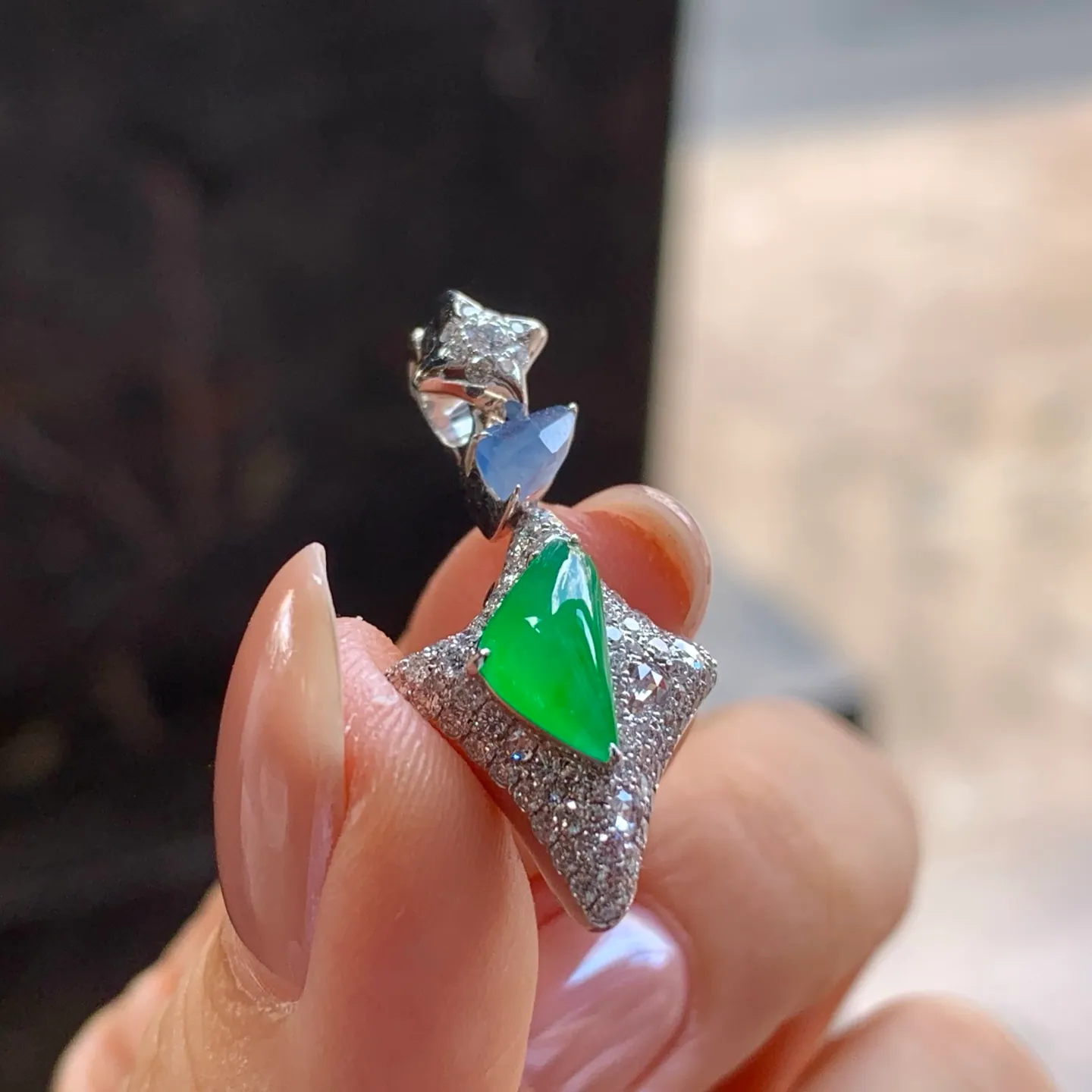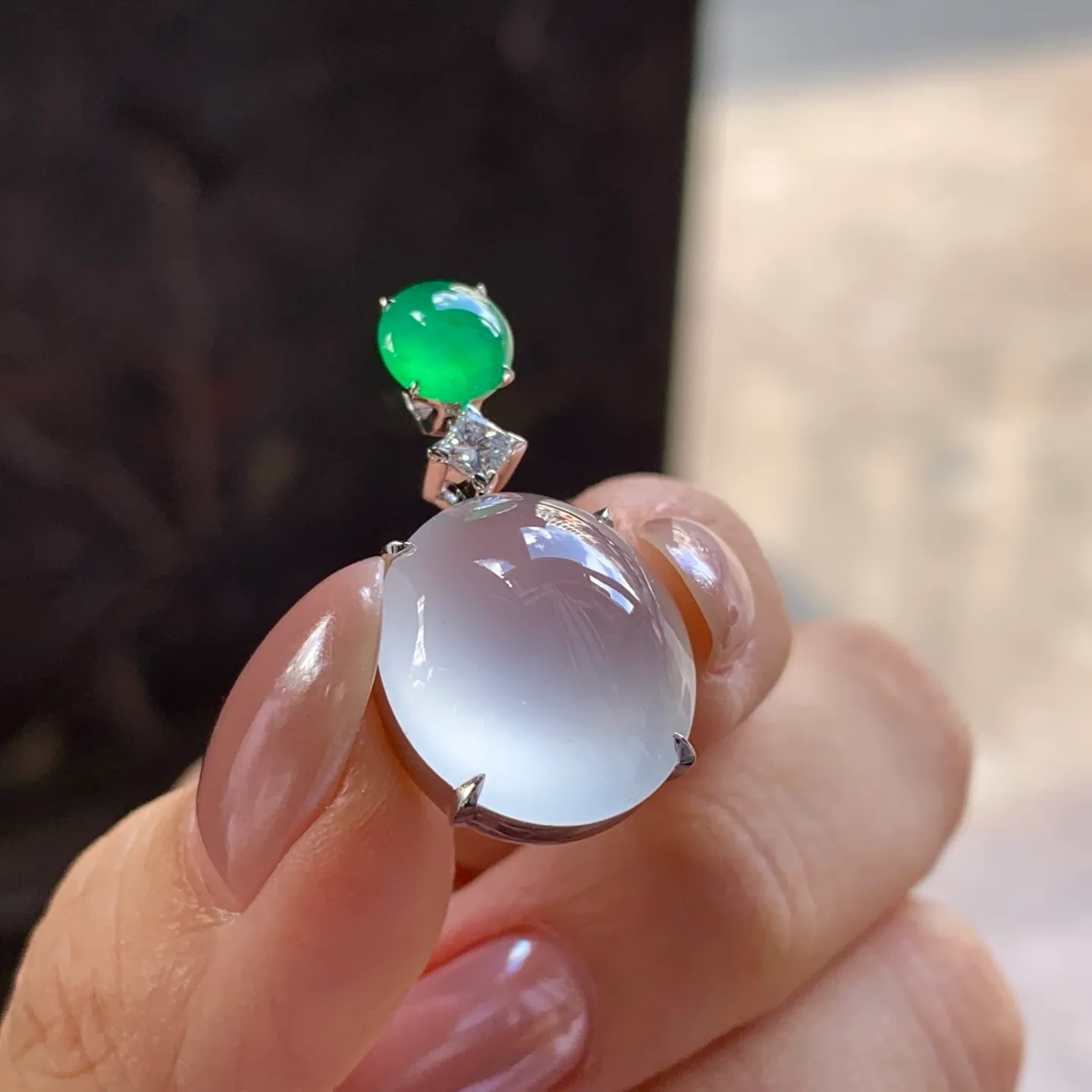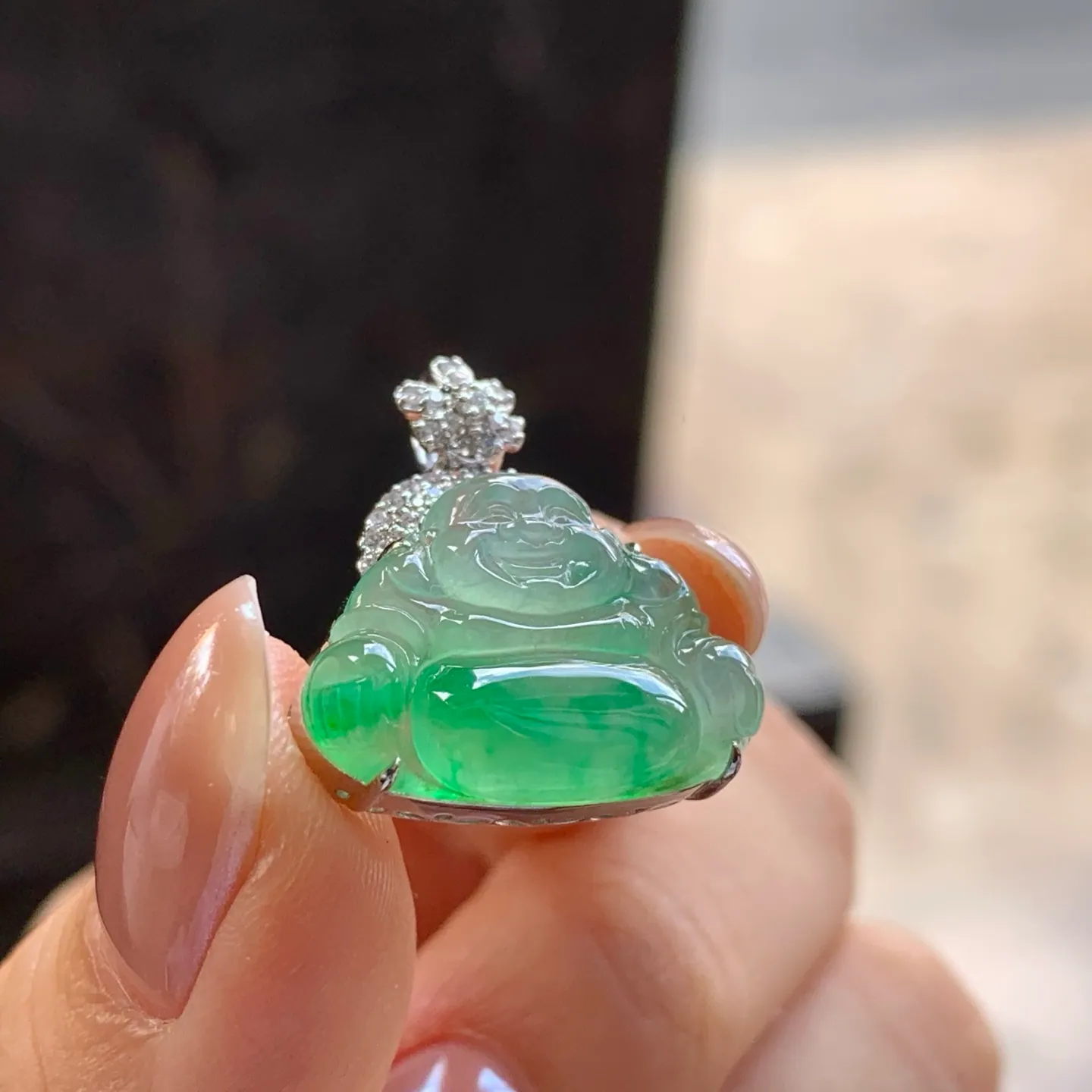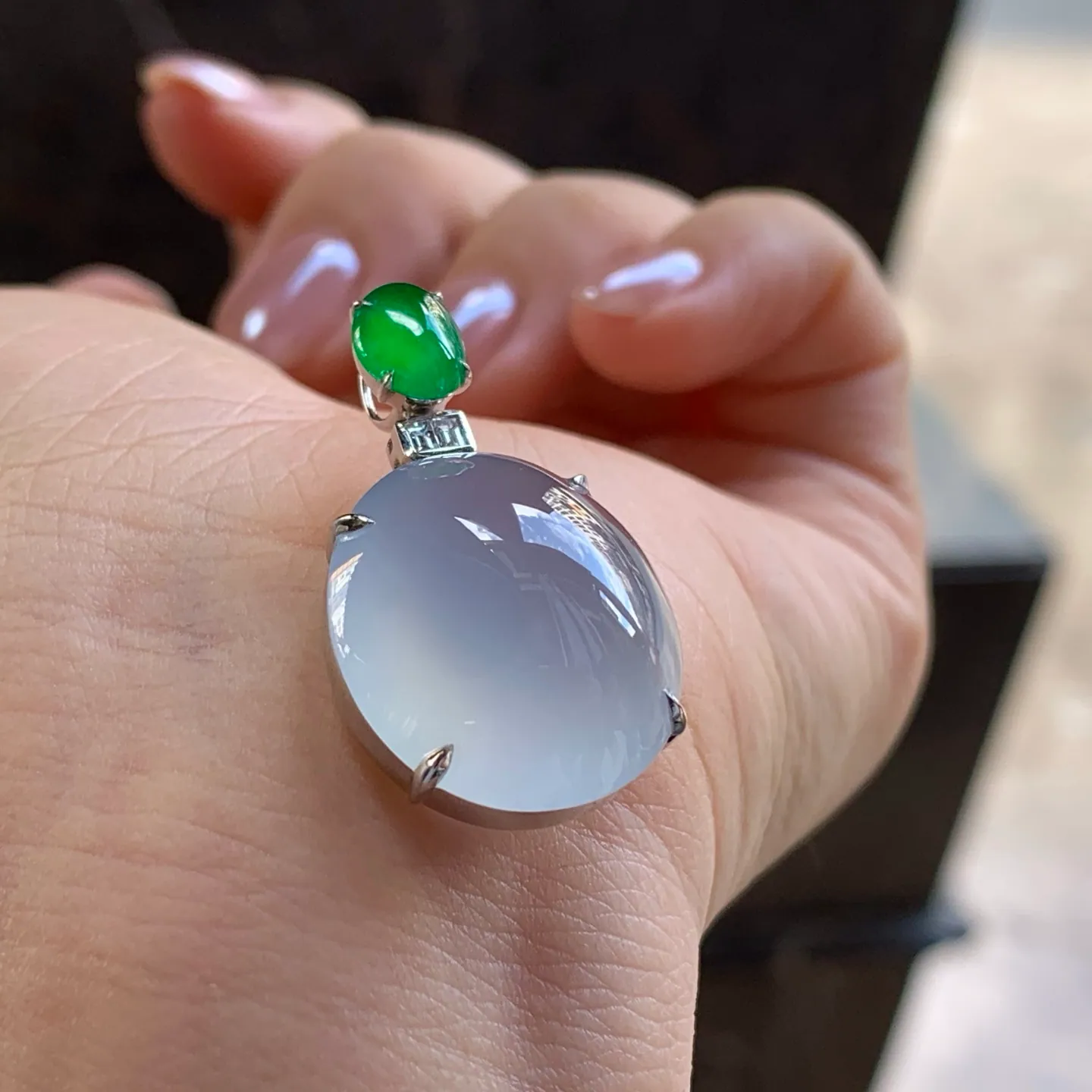
Jade Markets in China and Myanmar: A Dealer's Guide
Updated
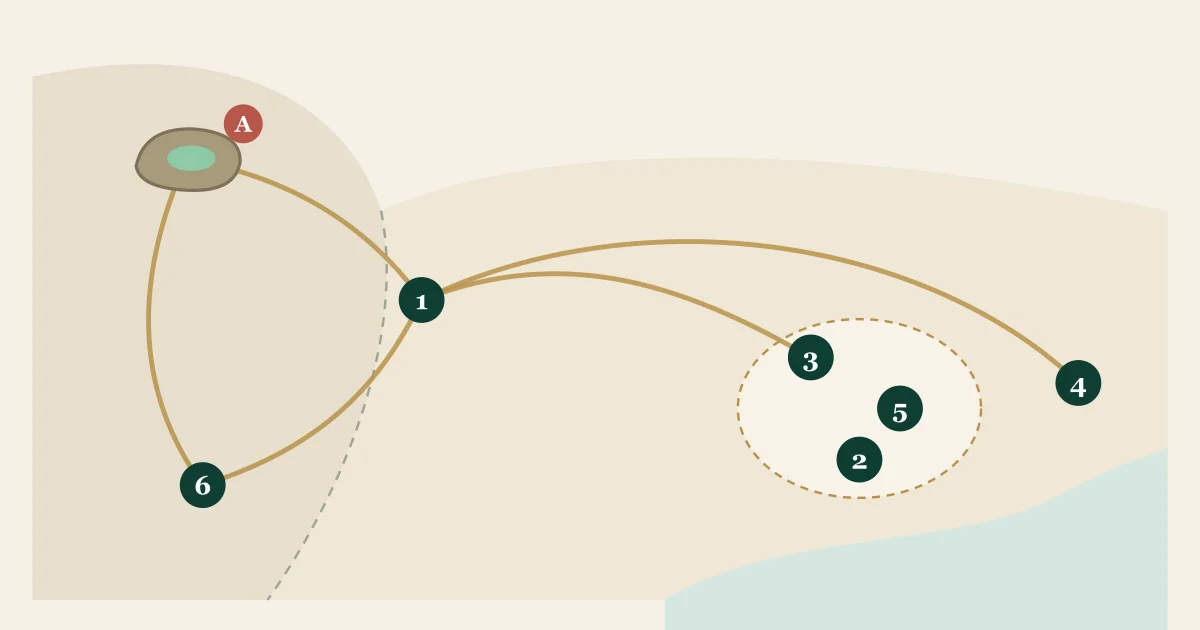
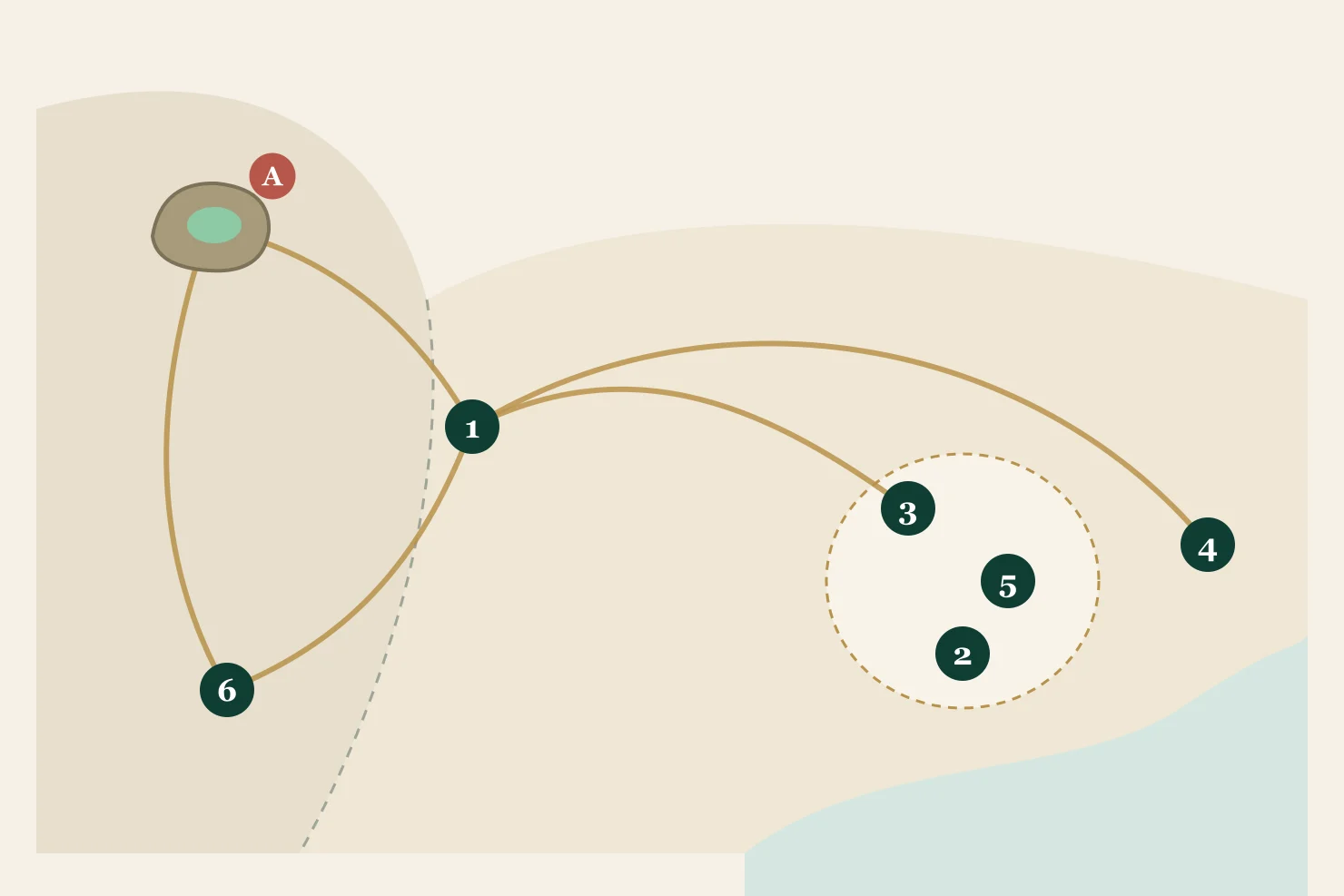
The main jade markets are Ruili (China–Myanmar border, rough and livestreams), Pingzhou (bangles), Sihui (pendants and carvings), Jieyang's Yangmei (high-end pieces), Guangzhou's Hualin Jade Street (widest choice) and Mandalay in Myanmar (rough trade). Every market sells Type B and look-alikes, so insist on a certificate for that exact piece.
Where are the main jade markets?
Almost all gem-quality jadeite is mined around Hpakant in northern Myanmar, but most of the cutting, carving and trading happens in China. When dealers talk about "the jade markets", they mean the six places below. Our company is based in Ruili and buys across these markets all year, so this guide is written from our own experience.
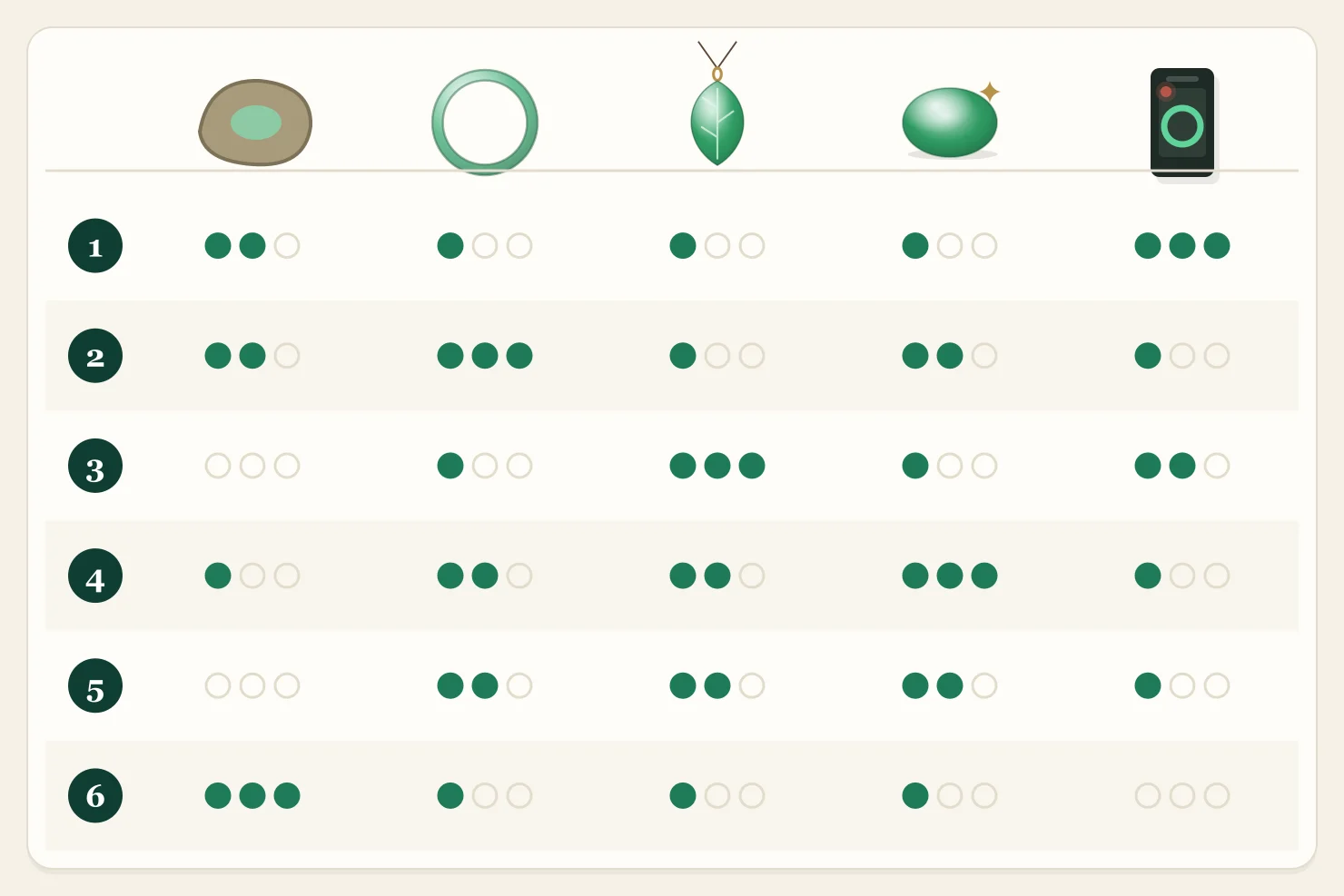
| No. | Market | Where | Known for | Best for |
|---|---|---|---|---|
| 1 | Ruili | Yunnan, on the China–Myanmar border | Rough, slabs and finished pieces brought in by Burmese traders; jade livestreams | Seeing the source and the livestream trade |
| 2 | Pingzhou | Nanhai, Foshan, Guangdong | Bangles, cabochons and plain plaques; rough-stone tenders | Buying bangles |
| 3 | Sihui | Zhaoqing, Guangdong | Carved pendants and ornaments at every price level | Choosing pendants, buying in quantity |
| 4 | Jieyang (Yangmei) | Jieyang, Guangdong | Mid- to high-end pieces: icy and glass-type pendants, cabochons, bangles | Large budgets, top quality only |
| 5 | Hualin Jade Street | Liwan, Guangzhou | Every kind of finished piece plus findings and boxes, wholesale and retail | A first visit, seeing everything in one place |
| 6 | Mandalay | Central Myanmar | Bulk trade in rough, slices and semi-finished stone | Trade buyers; not worth a special trip for ordinary buyers |
Ruili: the border town
Ruili, in Dehong, Yunnan, faces the Myanmar town of Muse across a river. Burmese traders bring rough and finished jade through the border crossing, which makes Ruili the most direct place in China to see stone close to the source.
- Jiegao jade city and livestreams. The jade city near the Jiegao border crossing is one of China's biggest jade livestream bases. Jiemian News reported nearly a thousand livestream teams and more than 3,500 hosts there; the sellers on camera are mostly Burmese traders with their stock in combination-lock cases.
- Rough-stone morning and night markets. The markets around Delong deal mostly in rough, much of it entry-level.
- Be careful. Rough is a gamble: nobody knows what is inside until it is cut. See jadeite rough gambling before you try it, and jade livestream scams before you bid on camera.
Pingzhou: China's bangle town
Pingzhou, in Nanhai district of Foshan, is known in China as "the home of bangles" and is one of the country's main processing and wholesale centers for Burmese jadeite. Bangles come first here, followed by cabochons and plain plaques.
- Pingzhou holds regular rough-stone tenders where lots are sold by sealed bid, mainly to traders.
- Many of the bangles we list come from Pingzhou workshops.
- Type A and Type B are sold on the same street, and the price a walk-in buyer gets is very different from the price between dealers. For what to check, see how to choose a jade bangle.
Sihui: pendants and carvings in bulk
Sihui is in Zhaoqing, Guangdong. Xinhua reported in September 2026 that Sihui has 18 specialized jade markets, including Tianguangxu and Yubocheng, with about 33,000 businesses. Sihui supplies more than 80% of China's jadeite ornaments and more than 70% of its pendants, and has over a thousand jade livestream sellers.
- Tianguangxu is Cantonese for a market that opens at first light. Go early if you want to choose.
- Huge volume and every price level, from cheap small pendants to top pieces. Many carvings are machine-made; see jadeite carving craftsmanship to tell the difference.
Jieyang: high-end workmanship
Jieyang has no jade of its own, yet Xinhua describes it (May 2026) as one of China's key design, carving and trading centers for mid- to high-end jadeite, with a full chain from rough auctions to design, carving, trade and fairs. The heart of it is Yangmei village in Jiedong district, nicknamed "the jade capital".
- Known for icy and glass-type pendants, cabochons and bangles with good color, and for fine carving.
- Many sellers are family workshops or private studios. The best pieces are often not on the counter, and strangers rarely see them.
- At this level, the certificate and the translucency matter even more. See zhong, shui, se explained.
Guangzhou Hualin Jade Street: the widest choice
Hualin Jade Street is around Hualin Temple in Liwan district, Guangzhou, a short walk from Shangxiajiu pedestrian street. It is the city's best-known jade trading street.
- Bangles, pendants, bead strands and cabochons, plus mountings, gift boxes and tools, sold wholesale and retail.
- The easiest market to reach and a good first stop if you want to see a bit of everything.
- With so many shops, prices vary a lot. Ask in several before you decide.
Mandalay: Myanmar's jade trading hub
Mandalay is Myanmar's biggest domestic jade market. The market in the Mahar Aung Myay area trades mainly in rough, slices and semi-finished stone, with cutting and polishing done on the spot. Foreign visitors usually pay an entry fee. Myanmar's official rough-stone emporium is held separately in Naypyitaw.
- On March 28, 2025 a powerful earthquake hit central Myanmar. Sixth Tone reported that several buildings at the jade market were damaged or collapsed, and a nearby hotel popular with Chinese jade traders came down completely.
- Myanmar remains unstable. Check your own government's travel advice before you go.
- Moving rough across borders is regulated. Do not carry rough stone through customs yourself.
- For ordinary buyers this is mostly raw material, so it is not worth a special trip for finished jewelry. For the whole route from mine to shop, see the jadeite supply chain.
What is each market best for?
What should you watch out for at a jade market?
- Every market sells Type B and look-alikes. "From the source" does not mean "genuine". Agree before you pay that the piece comes with its own certificate from a nationally accredited lab. See how to verify a jadeite certificate.
- Check it yourself first. Bring a small flashlight, look at color and luster in daylight, and use the clues in how to spot treated jadeite.
- Ignore "bargain" and "source price" talk. Price follows the stone, and walk-in buyers rarely get the dealer price. See why jade is cheaper in China.
- Pay in a way that leaves a record. Cash and personal transfers are hard to recover. Foreign visitors can now link an overseas bank card to Alipay or WeChat Pay.
- Declare it when you fly home. Keep the receipt and certificate. Import duty follows your own country's rules and is paid by the buyer.
Are there jade markets in Thailand or Vietnam?
Neither Thailand nor Vietnam mines jadeite, and neither has a large carving center. In northern Thailand, Mae Sai and Mae Sot on the Myanmar border have markets selling jade and gems, and Bangkok has many jewelry shops. See buying jade in Thailand.
Can't travel? How to buy from these markets
JadeiteHub is based in Ruili. Our stock comes mainly from the Guangdong carving centers, such as Pingzhou for bangles and Jieyang for fine pendants. Every piece has real photos of that exact piece, with its item number and measurements, and you can ask us for extra daylight photos before you order. You can reserve a piece for free; once the seller confirms it is available, you pay by card on our checkout page, never to a personal account. Every piece ships with a certificate from a nationally accredited lab and is checked against it before dispatch, shipping is insured, and you can return it within 7 days of delivery if unworn.
Sources
- Xinhua (via Dayoo), September 10, 2026: "Guangdong Sihui: jade industry builds a new Bay Area city".
- Xinhua, May 22, 2026: "Jieyang, a city without jade, makes fine jade".
- Jiemian News: report on the Ruili jade city livestream base.
- Sixth Tone, April 3, 2025: "Myanmar Quake: Chinese Jade Traders See City Collapse".
- GIA: "Jadeite Trading Centers" research.
FAQ
Which jade market is the cheapest?
No single market is cheapest for everything. Closer to the carving centers you get more choice of the same kind of piece, but price follows the stone. Walk-in buyers rarely get dealer prices, and "source price" is usually a sales line.
Can foreigners buy jade in Ruili, Pingzhou or Sihui?
Yes, these are open markets. Overseas bank cards can now be linked to Alipay or WeChat Pay. Plan for the language barrier and bargaining, insist on a certificate for each piece, and declare your purchase when you fly home.
Is the Mandalay jade market open to visitors now?
The March 2025 earthquake damaged parts of the market, and Myanmar is still unstable. Check your government's travel advice first. The market deals mostly in rough and semi-finished stone, so it is not worth a special trip for finished jewelry.
Do I need to test jade bought at a market?
Yes. Every market has Type B, Type C and imitations, and buying near the source does not make a piece genuine. Ask for a certificate from a nationally accredited lab for that exact piece and check it on the lab's website.