What Is Jadeite? Jadeite vs Jade, Names and Real vs Fake
Updated
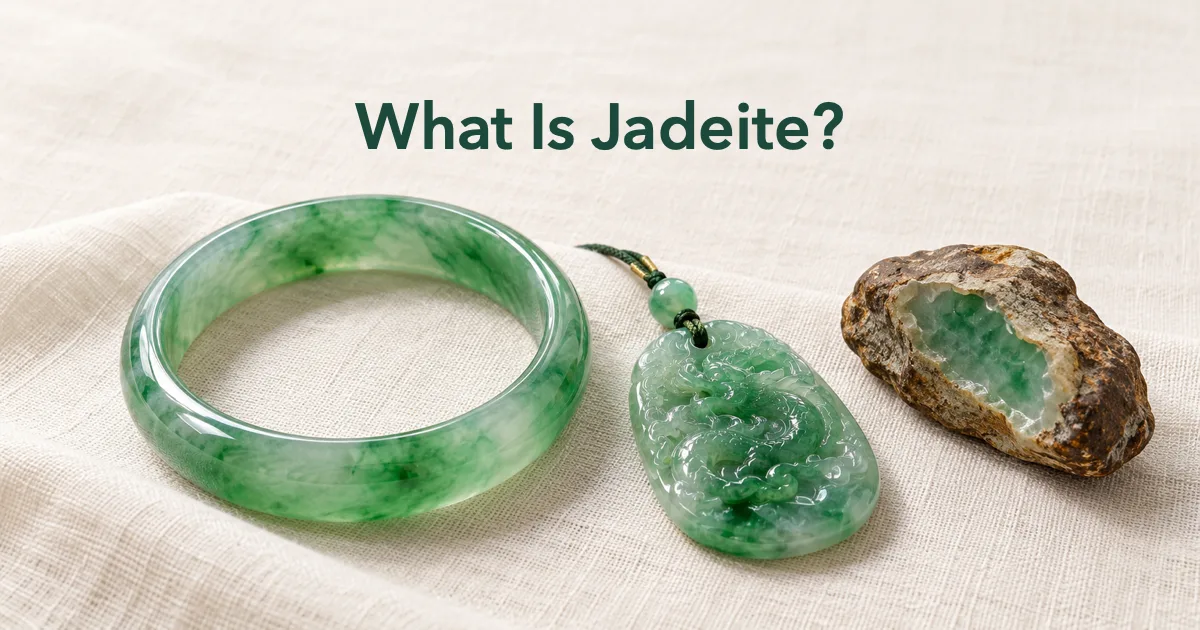
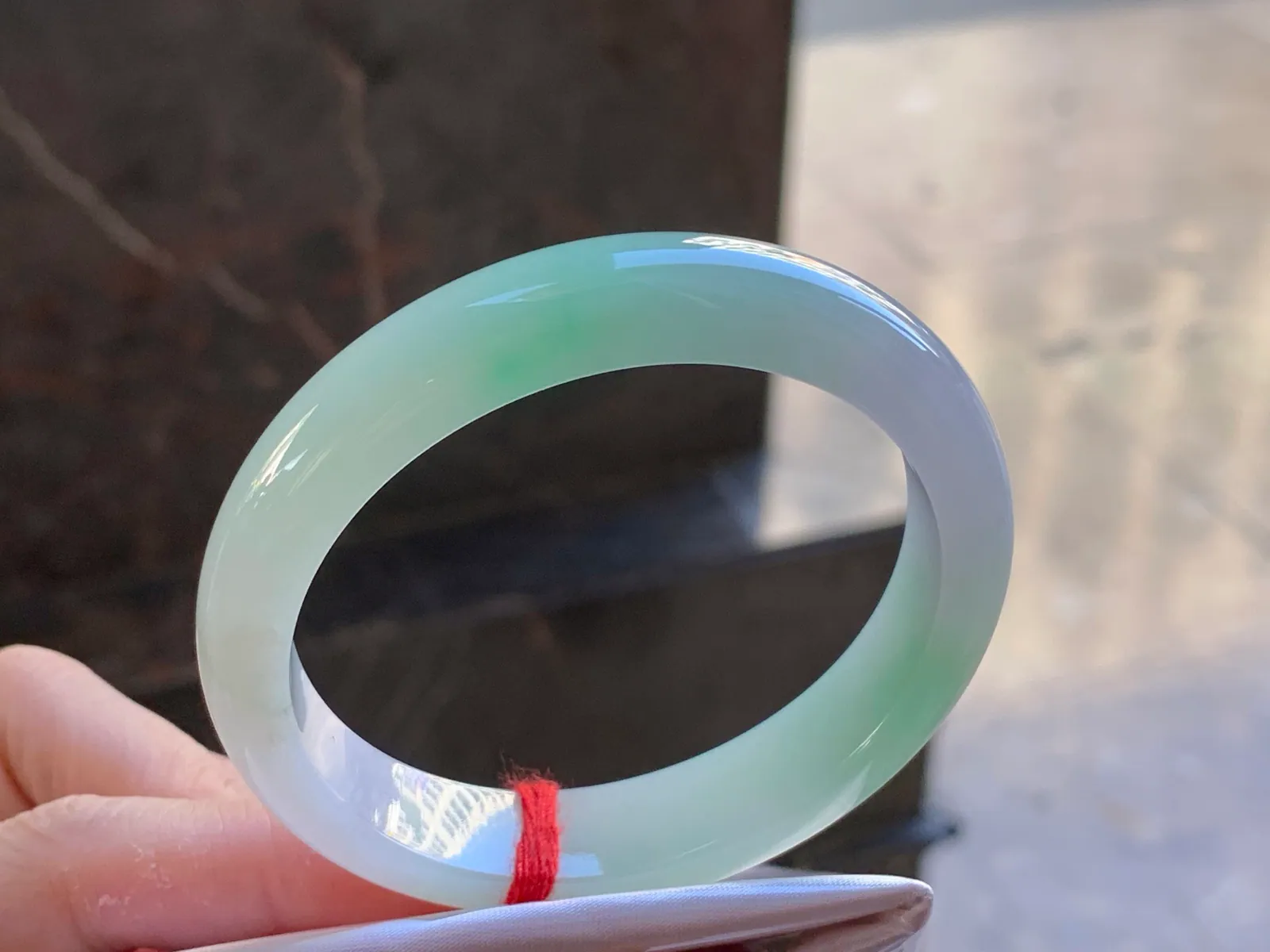
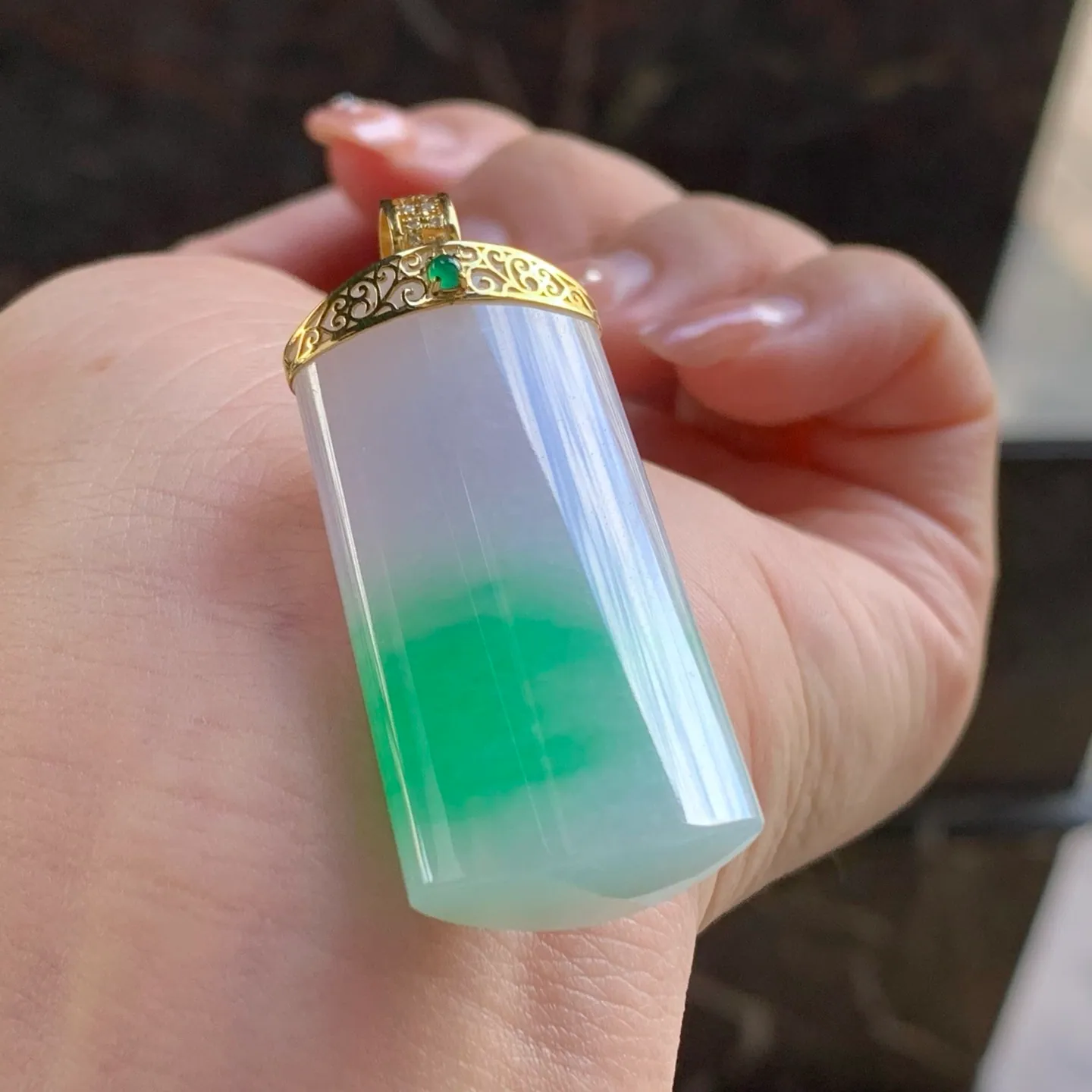
Jadeite is a natural rock made almost entirely of the mineral jadeite, a sodium aluminium pyroxene (NaAlSi2O6) whose tiny crystals interlock, which makes it hard and tough. It is one of two minerals sold as jade; the other is nephrite. Almost all gem jadeite comes from Hpakant in northern Myanmar, which is why Thai buyers call it Burmese jade (หยกพม่า) and Chinese buyers call it 翡翠. In Vietnam it is cẩm thạch or phỉ thúy. It comes in green, white, lavender, red, yellow and black. Natural, untreated jadeite is called Type A; the only dependable proof is a certificate from a recognized lab.
What is jadeite?
Jadeite is a natural rock made almost entirely of the mineral jadeite, a sodium aluminium silicate in the pyroxene group (NaAlSi2O6). Under a microscope it is a mass of tiny crystals that grow into and around each other. That interlocking structure is what lets jadeite be carved into thin bangles and delicate pendants without falling apart, and what gives polished jadeite its glassy shine.
In everyday language, "jadeite" is also the name of the gem and the jewelry made from it: a jadeite bangle, a jadeite pendant. It is the rarer and usually more valuable of the two minerals sold as jade.
| Property | Jadeite |
|---|---|
| Mineral | Jadeite, a pyroxene (NaAlSi2O6), often with small amounts of other pyroxenes |
| Structure | Granular: small interlocking crystals |
| Hardness | About 6.5–7 on the Mohs scale |
| Density | About 3.33 (heavier in the hand than glass or quartz of the same size) |
| Luster when polished | Glassy (vitreous) |
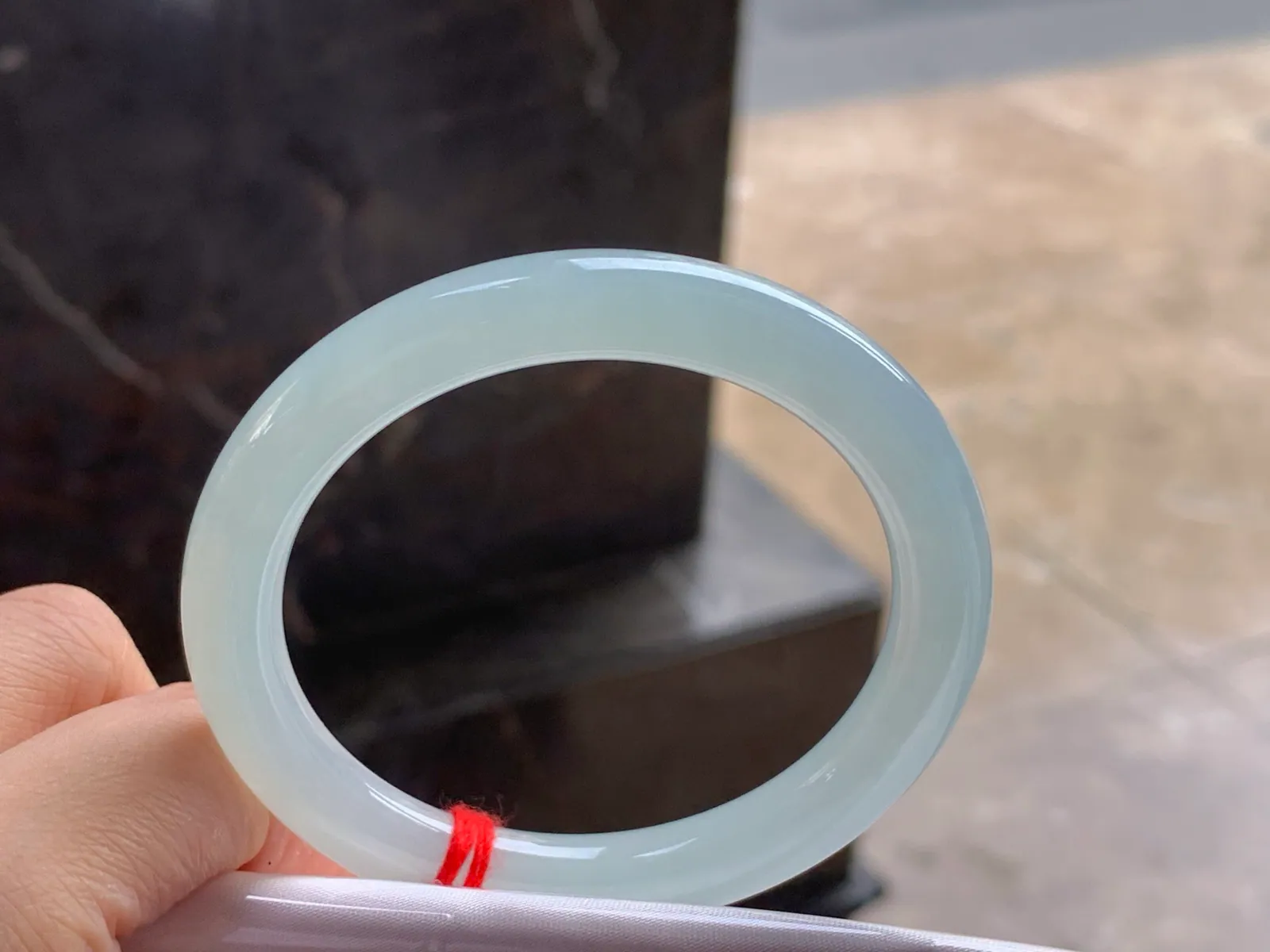
| Colors | Green, white and colorless, lavender, red, yellow, black, blue-green and mixes |
| Main source | Hpakant area, Kachin State, Myanmar |
Hardness tells you how well it resists scratches; toughness tells you how well it resists breaking. Jadeite is good at both, but it is not unbreakable. See is jadeite fragile?
Is jadeite the same as jade?
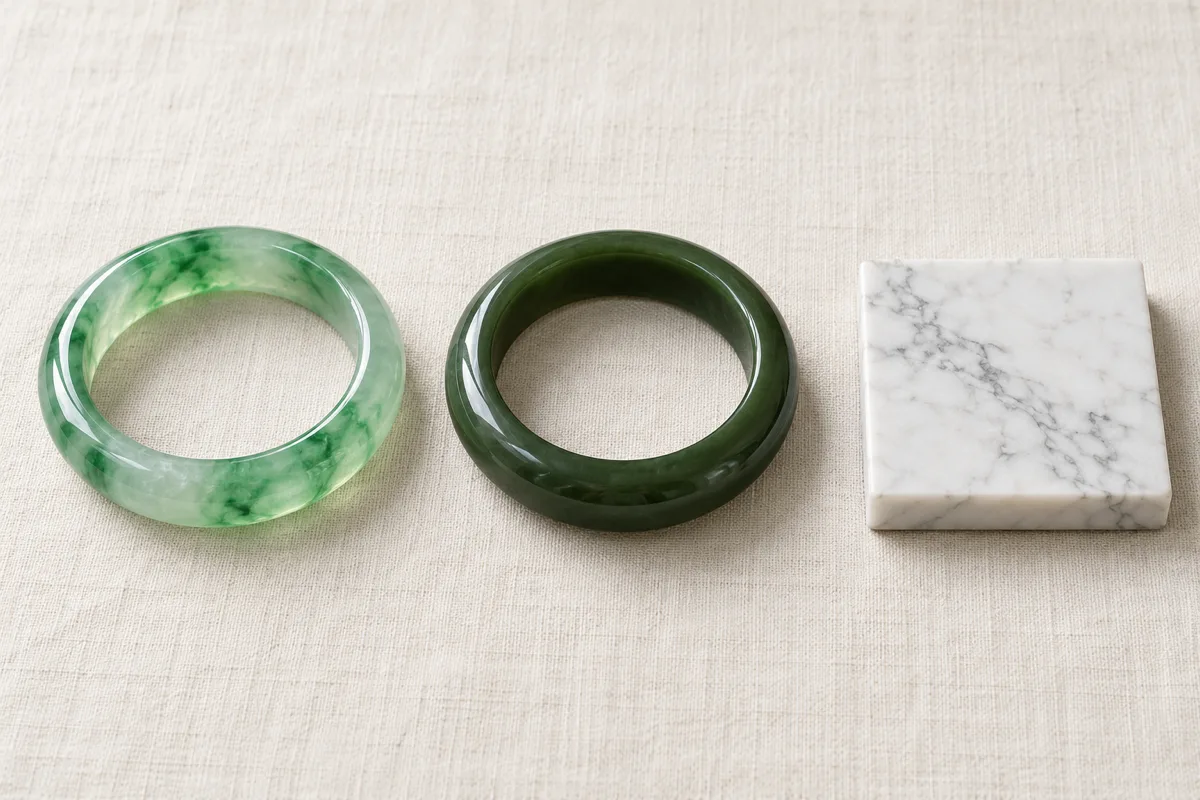
Jadeite is a kind of jade, but not all jade is jadeite. "Jade" is an old trade name for two different minerals that look alike and were both carved for thousands of years:
- Jadeite: a pyroxene, granular, glassy shine, the wider color range, mostly from Myanmar.
- Nephrite: an amphibole, made of fine fibers felted together, an oily or waxy shine, mostly green, white and grey, from China (Hetian), Canada, Russia, New Zealand and elsewhere.
Both are genuine jade. They are simply different stones with different prices and looks. In 1863 the French mineralogist Alexis Damour showed that some "jade" was a different mineral from nephrite and named it jadeite. The full comparison is in jadeite vs nephrite.
Many other stones are sold as "jade" without being either: green quartzite, aventurine, serpentine, chalcedony, glass. Names such as "Malaysia jade", "Indian jade" or "new jade" are trade names for these look-alikes. See jade look-alikes.
What is jadeite called in other languages?
Because jadeite is bought and sold across Asia, you will meet it under several names. Knowing them helps you read listings and certificates.
| Language | Name | What it means |
|---|---|---|
| Chinese | 翡翠 (fěicuì) | Jadeite. The word first named the kingfisher bird; 翡 is its red feathers and 翠 its green ones |
| Chinese | 硬玉 (hard jade) | The mineral name for jadeite, used in science and on some certificates; nephrite is 软玉 (soft jade) |
| Chinese | 缅甸玉 | "Burmese jade", a common everyday name for jadeite |
| Vietnamese | phỉ thúy / ngọc phỉ thúy | From 翡翠; the formal word for jadeite |
| Vietnamese | cẩm thạch / ngọc cẩm thạch | The word most Vietnamese buyers actually use for jadeite, as in vòng cẩm thạch (a jadeite bangle) |
| Vietnamese | đá cẩm thạch | Marble. Despite the similar words, this is not jade |
| Vietnamese | ngọc bích | Usually nephrite, such as "ngọc bích Canada", or a loose name for any green jade |
| Thai | หยกพม่า | "Burmese jade", the name Thai buyers search for; it means jadeite |
| Thai | หยกเจไดต์ | Jadeite, the technical name |
| Thai | หยกเหอเถียน, หยกไต้หวัน | Usually nephrite (Hetian or Taiwan jade) |
| English | jadeite, jadeite jade, Burmese jade | Jadeite; "imperial jade" is a sales name for top green |
So when a Vietnamese seller says cẩm thạch, a Thai seller says หยกพม่า and a Chinese certificate says 翡翠, they are all talking about the same stone. Many more trade words are in the jadeite glossary.
Where does jadeite come from?
Jadeite forms deep in the Earth where an ocean plate sinks under another plate, under high pressure but relatively low temperature. Such rocks reach the surface only in a few places.
- Myanmar: almost all gem-quality jadeite comes from the Hpakant area of Kachin State, and has done for centuries.
- Guatemala: the main source in the Americas, known for blue-green, black and some lavender material.
- Russia, Japan, Kazakhstan, California: minor sources, mostly of lower or collector grade.
Rough from Myanmar crosses mainly into Yunnan through Ruili, where JadeiteHub operates, and is cut and carved in Yunnan and Guangdong. There is no jadeite mine in Vietnam or Thailand. More in where does jadeite come from and the jadeite supply chain.
What colors does jadeite come in?
Pure jadeite is white. Traces of other elements color it:
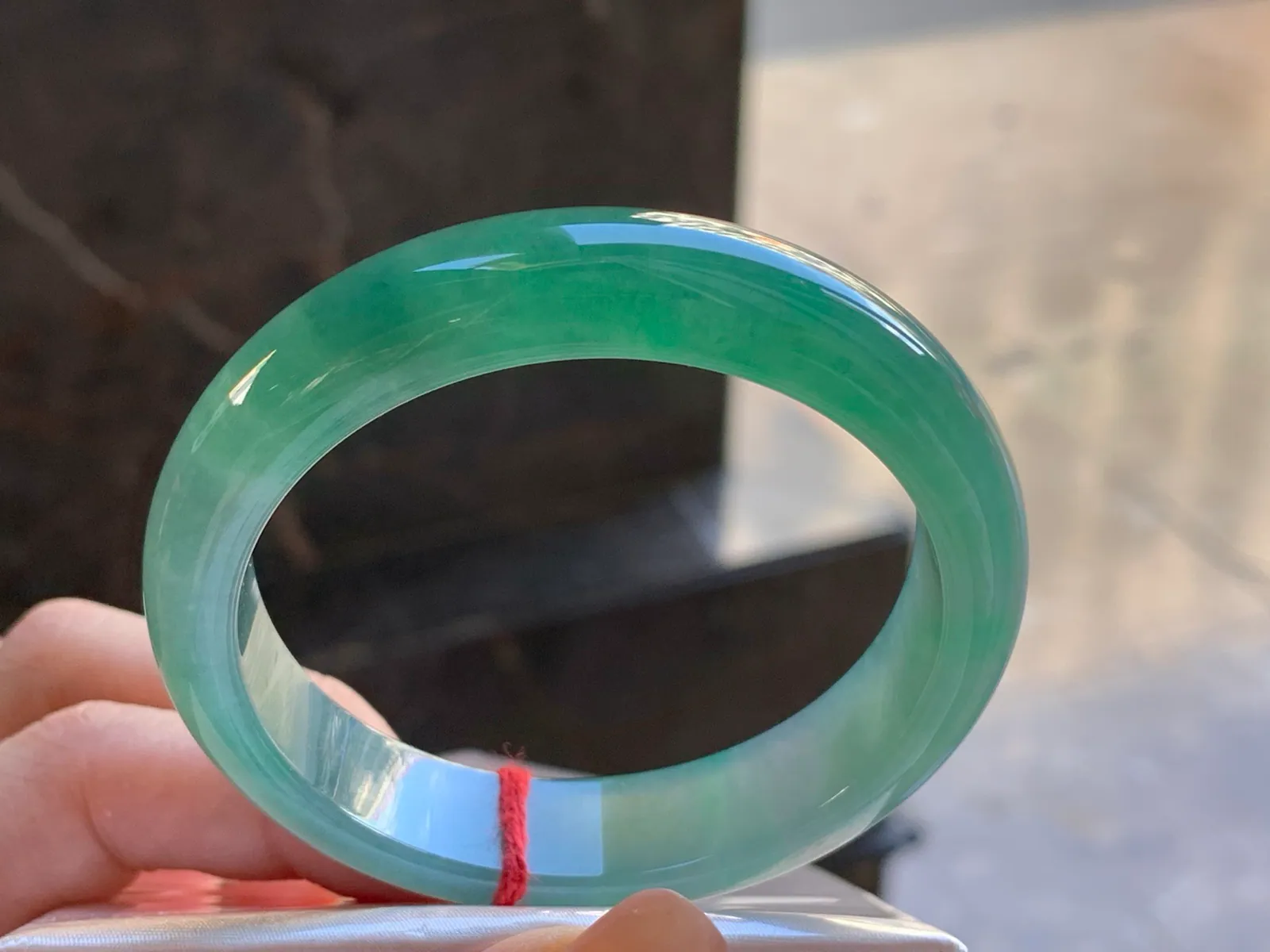
- Green from chromium (and iron), from pale apple green to deep imperial green. See imperial green jadeite.
- Lavender, thought to come from manganese and iron. See lavender jadeite.
- Red and yellow from iron oxides near the skin of the boulder. See red and yellow jadeite.
- White and colorless, including icy jadeite. See white jadeite and icy jadeite.
- Black, often very dark green that glows green through a thin edge. See black jadeite.
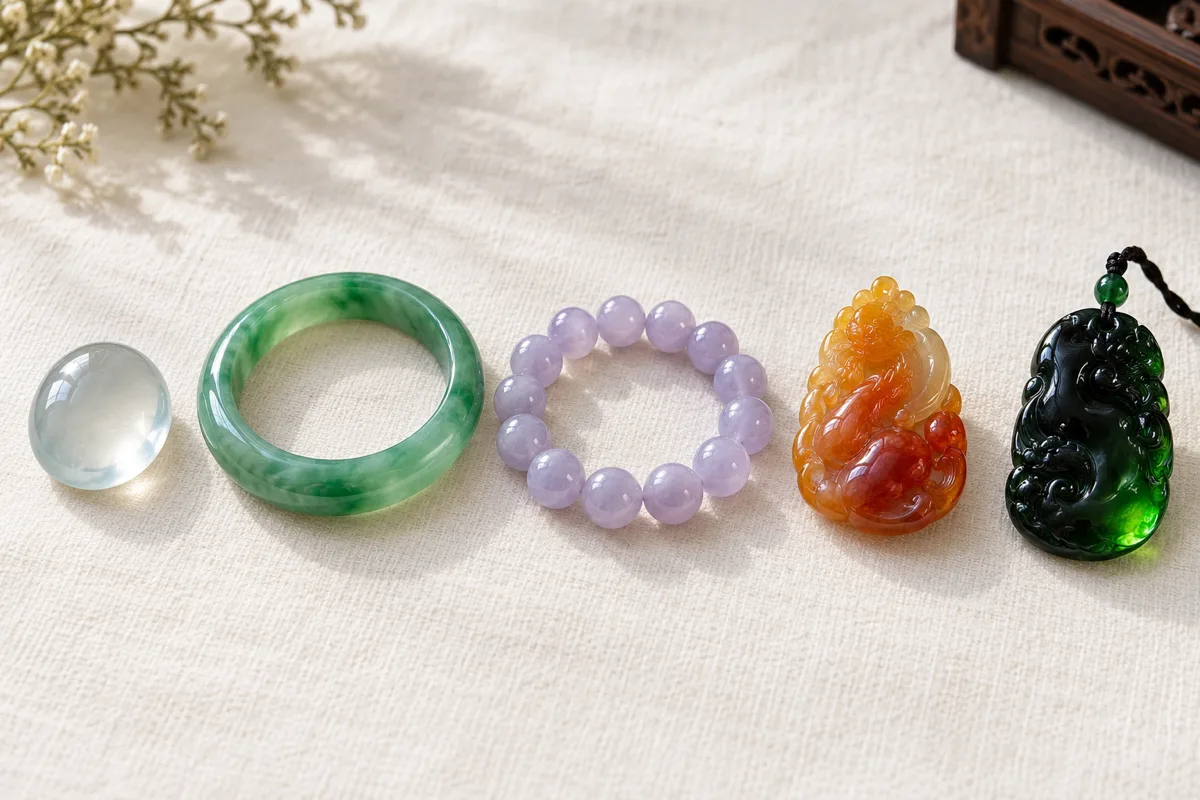
Color is only one part of quality. The trade judges jadeite by three things together: texture (种, zhong), translucency (水, shui) and color (色, se). See zhong, shui and se explained and the jadeite color guide.
What do Type A, Type B and Type C mean?
These are trade grades for whether the jadeite has been treated, not for its quality.
| Grade | What was done | What it means for you |
|---|---|---|
| Type A | Cut, polished, finished with wax only | Natural jadeite. This is what holds value |
| Type B | Bleached in acid, then filled with resin | Looks cleaner and more translucent; can yellow and weaken over time; worth far less |
| Type C | Dyed | Color added; can fade; worth far less |
| Type B+C | Bleached, filled and dyed | Both problems at once |
A Type A piece can be low grade and cheap; a treated piece can look better than it is. Read Type A vs Type B vs Type C and how to spot treated jadeite.
How can I tell if jadeite is real?
There are home clues, but no home test settles it.
- Feel and weight. Jadeite feels cool and is heavier than glass or quartz of the same size.
- Light. Shine a small flashlight through it. Jadeite shows a fine, interwoven grain; glass shows round bubbles, aventurine shows sparkling flakes, dyed quartzite shows color running along cracks.
- Luster. Polished jadeite has a bright glassy shine; nephrite looks oily, and resin-filled jadeite can look waxy.
- Price. Bright, clean, translucent green at a low price is a warning sign.
Tapping, scratching with a knife or burning with a lighter are not reliable and can damage the piece. The dependable answer is a certificate from a recognized gem lab, whose number you check on the lab's own website. On Chinese certificates, natural jadeite is named 翡翠; treated jadeite is 翡翠(处理). See how to verify a jadeite certificate. Buying from photos or a live stream? See how to judge jadeite from online photos.
What makes jadeite valuable?
Two jadeite bangles can look alike in a photo and differ in price a hundredfold. The main factors are:
- Type A or treated
- Texture and translucency: fine and glassy is worth far more than coarse and opaque
- Color: how strong, how even and how much of it
- Cleanliness: few black spots or cotton-like inclusions
- Cracks: a crack sharply lowers value
- Size and thickness, especially for bangles
- Cut and carving quality
Details in what determines jadeite price. Jadeite can be resold, but usually well below retail; see can you sell jadeite?
Why do people wear jadeite?
Across China, Vietnam and Thailand, jadeite is worn as much for meaning as for beauty: as a protective charm, a family heirloom, a wedding gift or a wish for health and good luck. Customs differ by country, from five-element matching in Vietnam to birthday colors in Thailand. We describe these as traditions, not as health effects. See jadeite meaning and beliefs. For practical choices, start with which hand to wear a jade bangle on and how to care for jadeite.
Buying jadeite on JadeiteHub
JadeiteHub sells finished natural jadeite (Type A) only, never rough or gambling stones. We operate in Ruili, the Chinese border town where most of Myanmar's jadeite enters China. Sellers post real photos of each piece, some with video. Every sold piece is checked against its listing and ships with its own certificate from an accredited Chinese national gem lab (国检), issued for that piece. If it does not match its description, you get a full refund. Shipping is insured; import duties are paid by the buyer. Browse the shop.
FAQ
Is jadeite real jade?
Yes. Jade is the name for two minerals, jadeite and nephrite, and both are genuine jade. Jadeite is the rarer one and usually the more valuable, especially in fine translucent green.
Is jadeite a stone or a crystal?
Jadeite is a rock made of countless tiny jadeite crystals grown together. You do not see single crystals as in quartz, which is why jadeite looks smooth and can be carved into thin shapes.
Is jadeite more expensive than nephrite?
Usually, at the top end. Fine translucent green or icy jadeite is far more expensive than most nephrite. But low-grade jadeite can be cheap, and fine white Hetian nephrite can be very expensive, so compare piece by piece.
Is cẩm thạch the same as phỉ thúy?
Yes. In Vietnamese, cẩm thạch and phỉ thúy both mean jadeite. Be careful with đá cẩm thạch, which means marble, and ngọc bích, which usually means nephrite.
What is หยกพม่า in English?
หยกพม่า means Burmese jade, which is jadeite. The technical Thai term is หยกเจไดต์.
What is the most valuable jadeite?
Natural Type A jadeite with a fine, glassy texture, high translucency and strong, even green, often called imperial green. Glassy colorless and fine lavender pieces can also be very valuable.